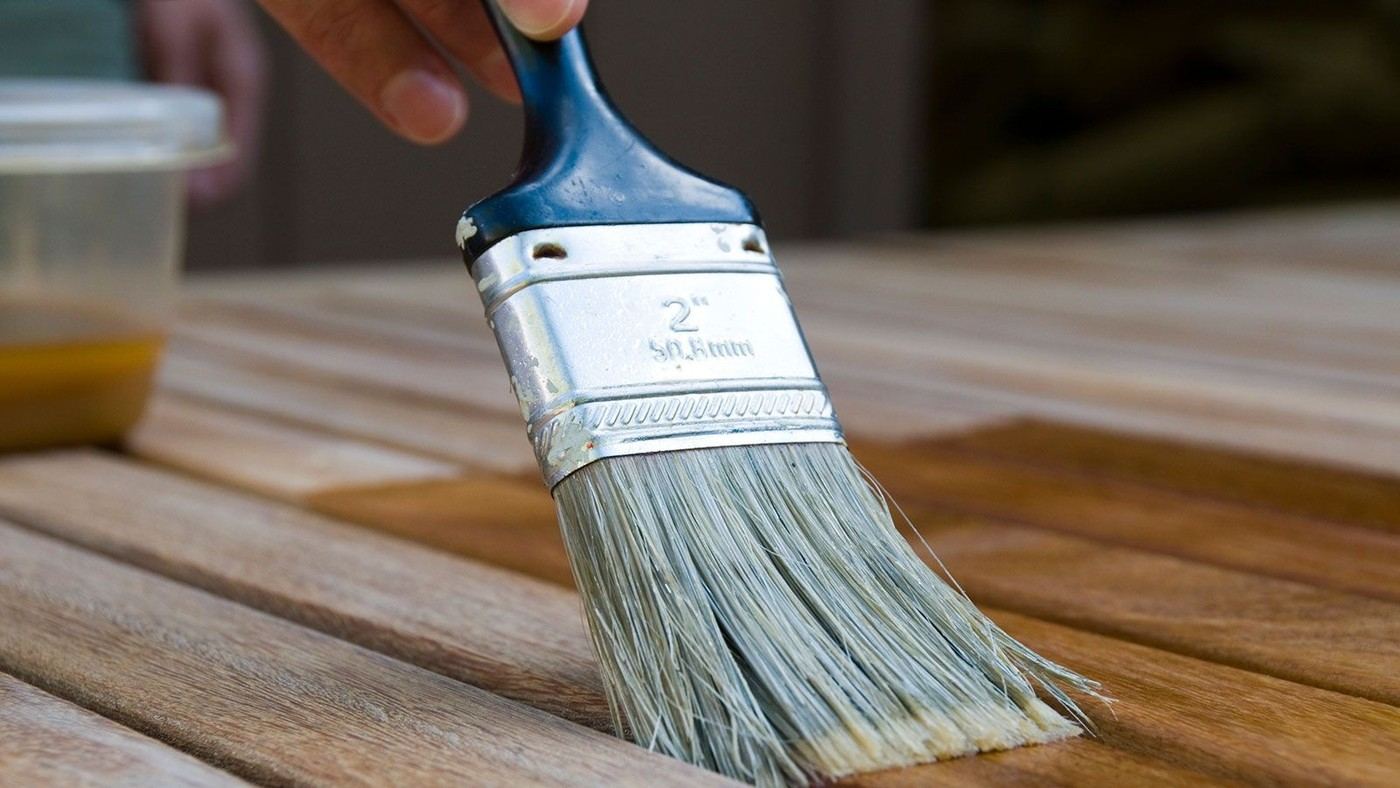
Check the Timber before Staining Outdoor Furniture
The outdoor-stain reference asks owners to identify the furniture material before selecting a finish. Wood stain is intended for wood, and even wooden pieces do not all need the same treatment. High-quality teak can remain durable without staining as it develops a silvery appearance.
For other timbers, stain may restore color or offer benefits suited to the product. If retaining teak's original hue is the goal, the reference recommends a purpose-made treatment in line with manufacturer guidance. Choose around the wood and desired result rather than applying stain as an automatic annual task.
Separate natural weathering from loss of function
The guide explains that good-quality teak can develop a silver-gray surface while remaining naturally durable. Wanting a different color is therefore distinct from needing a structural repair. If the goal is preserving its original hue, use a teak-specific product recommended by the furniture maker rather than assuming a generic stain or paint is appropriate for the oily timber.
Choose the product for the actual exposure
For other suitable woods, a stain may alter color, emphasize grain or provide weather-related protection depending on its formulation. Check both the furniture maker's instructions and the stain label. A product for an indoor table is not necessarily suitable for rain and sun. Preparation and drying requirements also belong to the chosen system, rather than to the broad word stain.
Account for the continuing maintenance
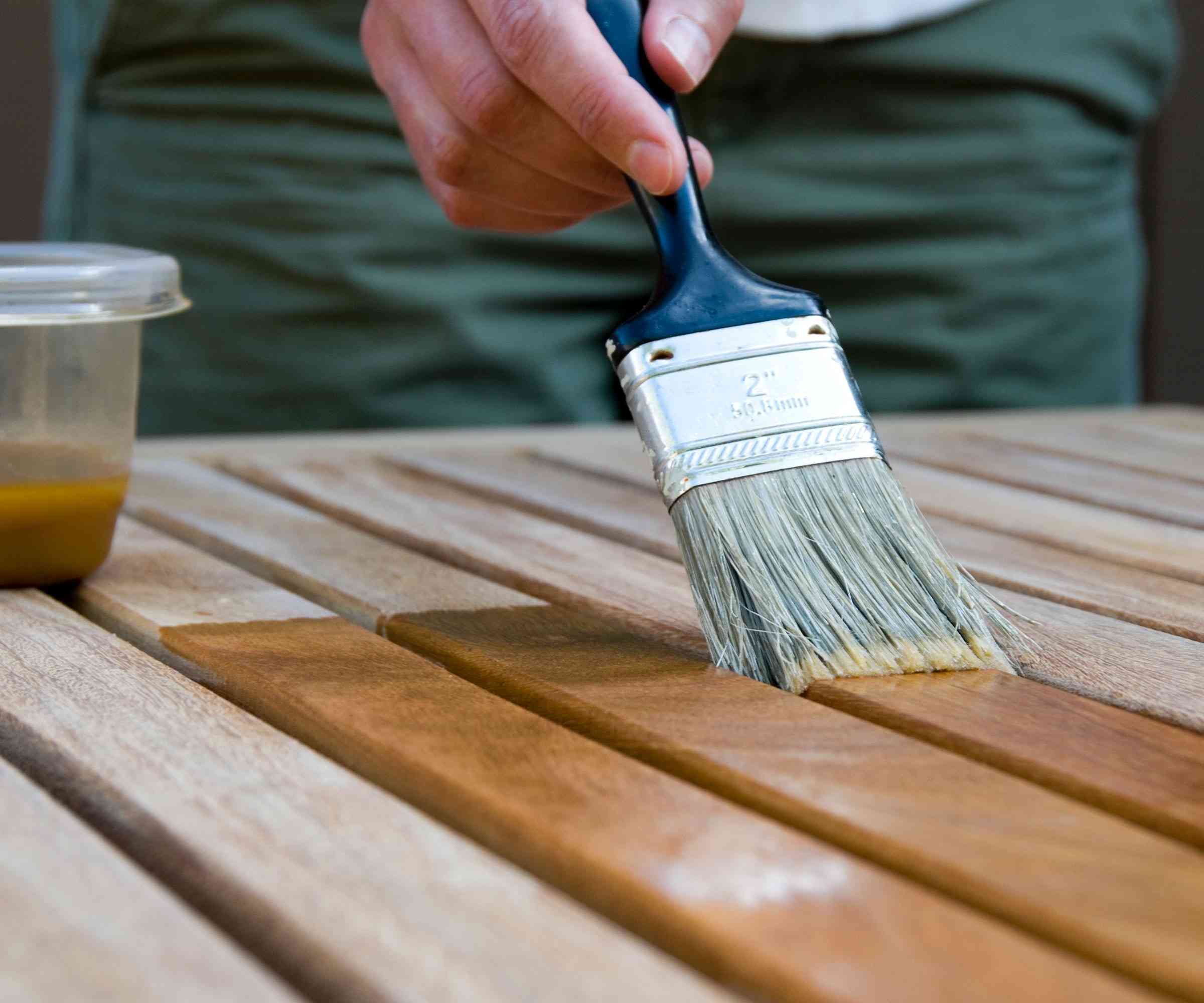
The source emphasizes cost, application time and the possible need to repeat treatment as exposure wears it away. Staining is not a one-time guarantee of permanent protection. Inspect the piece's current condition and decide whether compatible cleaning is enough before adding another coating. Metal and plastic can use their own appropriate paint systems, but wood stain is not the same treatment for those materials.
Write down the desired outcome before buying stain
The Homes & Gardens guide separates several reasons for staining: restoring an earlier color, choosing a new color, emphasizing grain or supplying protection through an appropriate formulation. Identify which of those goals matters for the actual piece. A clean table whose silvered teak appearance is welcome may need no color treatment at all. A badly deteriorated joint, meanwhile, needs assessment beyond a change to its surrounding wood tone.
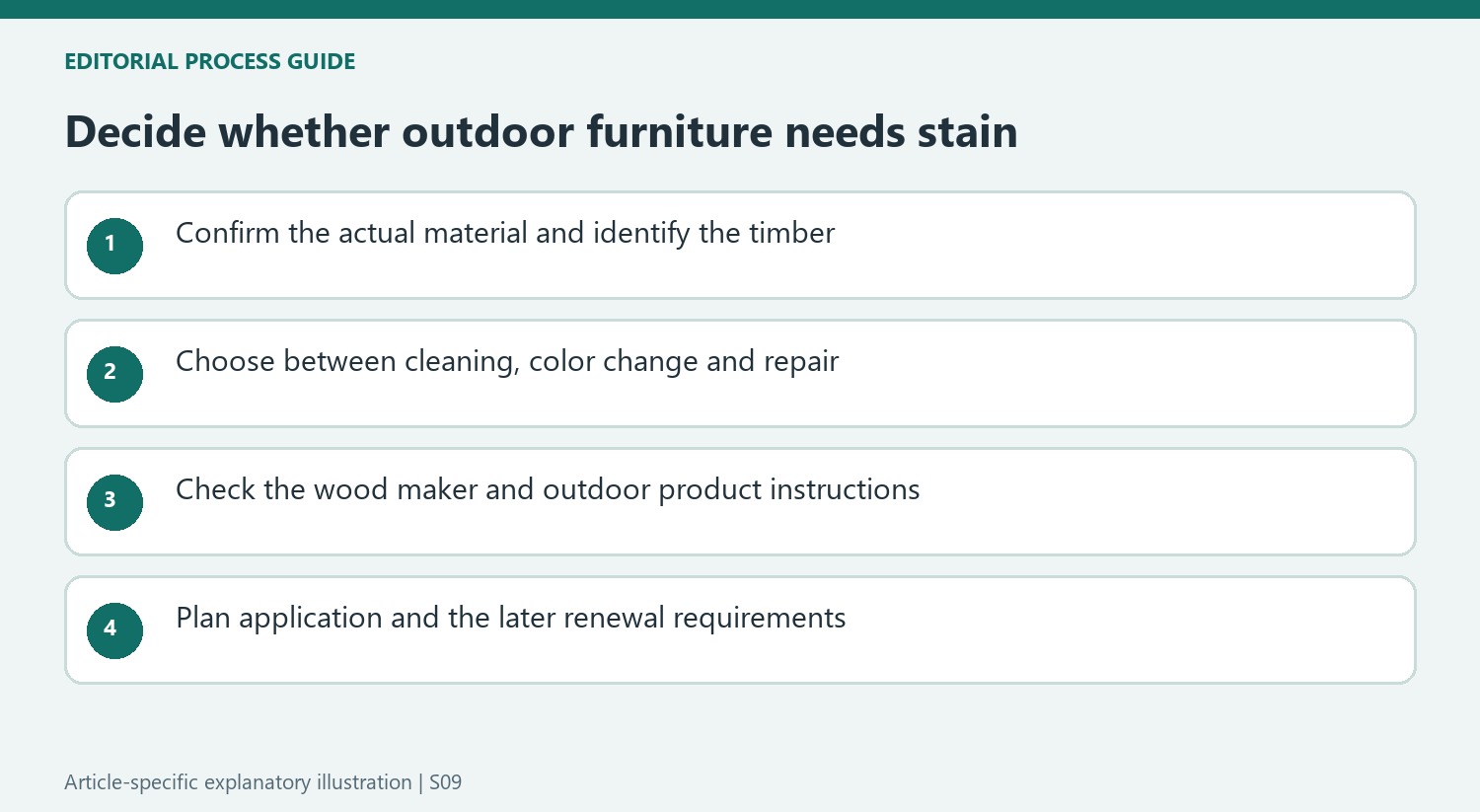
First confirm that the furniture is wood. Metal and plastic can sometimes be recolored with their own suitable systems, but penetrating wood stain is not the same operation. Then identify the timber and existing treatment. Teak's natural oils and durability are the source's main exception to the idea that all outdoor wood should receive a general stain. The furniture maker's recommendation takes priority over applying the product simply because it is already available.
Keep teak color retention separate from generic staining
Good-quality teak may weather to a silver-gray appearance while remaining serviceable. The article recommends a teak-specific treatment, guided by the manufacturer, when retaining its newer hue is the objective. Do not interpret the visual change alone as evidence that the wood has lost its function or requires a paint film. Cleaning, cosmetic color preference and repair of deterioration should each be evaluated on their own terms.
For other suitable timbers, check the intended exposure and the stain's exact claims. A formulation that adds color does not necessarily supply every protective property, and an indoor product is not automatically designed for rain and sun. Read preparation, application, drying and any topcoat requirements before the project begins. The broad word stain is not a complete description of the system needed for a particular outdoor surface.
Include the next maintenance cycle in the decision
The source emphasizes the time and cost of application as well as later renewal. Consider the piece's location, exposure and the manufacturer's inspection or maintenance advice rather than treating a fresh application as permanent protection. A sheltered chair and a table exposed to frequent sun and rain can age differently even when finished on the same day. Keep the product details so a future renewal does not begin with an unidentified coating.
Before adding another treatment during a later season, clean compatibly and inspect the dry surface. Determine whether the issue is dirt, faded color, a worn coating or damage needing repair. Follow the existing system for renewal rather than stacking an unrelated stain over it. That approach preserves the original decision about appearance and protection while avoiding an automatic annual application that may be unnecessary for the particular wood and product.
References
- Do I need to stain outdoor furniture? Get the lowdown on when and why. Homes and Gardens; Sarah Warwick.
Teak's natural durability makes its maintenance needs different from those of some other woods.


Leave a Comment
Comments (0)