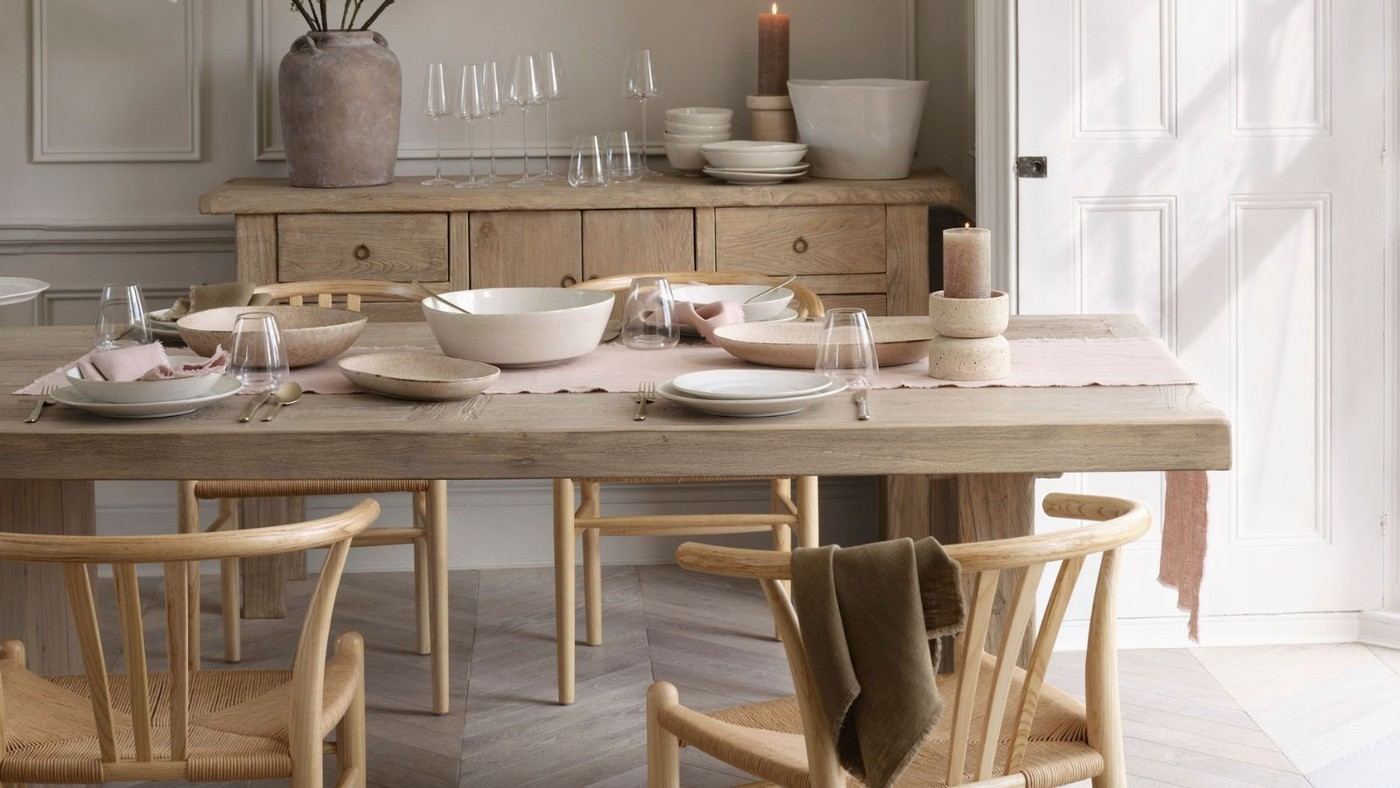
Dust Wood Furniture before Introducing Moisture
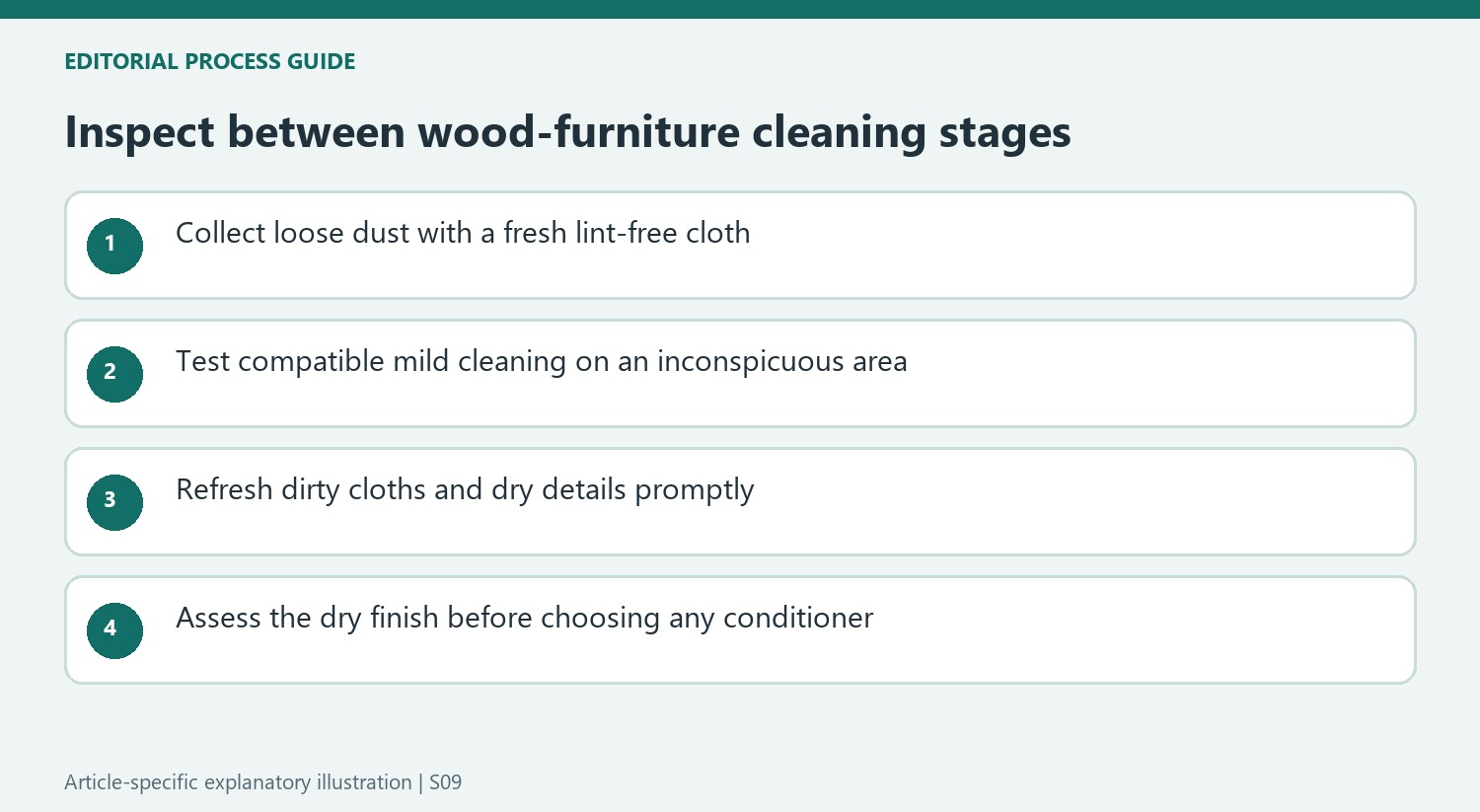
Begin wood-furniture cleaning with a dry dusting pass using a suitable microfiber or lint-free cloth. This removes particles before a damp treatment can spread them across the finish. Regular gentle dust collection also limits avoidable scratching.
Identify the coating before adding cleaner, oil, or conditioner. Too much water and unsuitable products can damage the surface rather than protect it. Follow the maker's approved maintenance routine and dry as directed, using stronger treatment only where the actual condition requires it.
Use mild cleaning before trying restoration
The professionals recommend a weak dish-soap solution where compatible, applied with a soft cloth wrung to remove excess water. Refresh the cloth and solution as dirt transfers. That prevents a dirty cloth from spreading the same residue over the next section. Harsh chemicals, abrasive cleaners and unsuitable silicone-containing polishes can create a finish problem while removing surface soil.
Dry the details as well as the broad faces
The source gives drying its own stage because remaining droplets can leave water marks. Use a clean soft cloth and check supports, carvings and crevices instead of assuming the entire piece is dry when the tabletop looks clear. A compatible polish, if actually required by the finish, is applied sparingly after cleaning. It should not be used to conceal water still sitting on the surface.

Maintain the surrounding conditions
The feature also recommends prompt spill removal, stable humidity and rotating decorative objects as wood changes with daylight. That addresses uneven color development and environmental movement that cleaning alone cannot solve. Identify whether the coating is oil, wax, varnish or another finish before selecting a conditioner. The word wood on a product label does not establish compatibility with every protective coating or older piece.
Let the dusting result determine the next step
The first dry wipe is a useful inspection as well as a cleaning pass. Once loose particles have been collected, look for areas that remain sticky or visibly soiled instead of assuming the entire piece needs a liquid treatment. A lint-free cloth that is already loaded with dust should be refolded or exchanged. Otherwise, the next stroke can spread the material that the first stroke successfully gathered.
The professionals quoted by Homes & Gardens recommend a weak soap solution for compatible furniture rather than beginning with a harsh chemical. Establish the finish before following that advice, and trial the method somewhere inconspicuous. Use the same dilution and cloth moisture intended for the visible surface. A useful patch test includes checking the dried appearance, since a temporarily wet coating can hide a change in sheen or color.
Give the cleaning cloth and drying cloth different jobs
For a soiled piece, refresh the cloth and solution as dirt transfers. That prevents a gray cloth from redistributing residue over a clean area and reduces the temptation to increase the soap concentration. Wring thoroughly before contact and work in sections small enough to dry promptly. The aim is to lift compatible surface dirt while keeping unnecessary water away from the wood and its joints.
Follow with a clean dry cloth and inspect the underside of edges, supports and carved parts. These areas may retain droplets after the large horizontal surface looks clear. The source specifically separates this drying stage from later conditioning. Do not use a wax or polish to disguise a damp appearance, and do not assume buffing the broad tabletop has dried a joint that the cleaning cloth wetted underneath.
Choose ongoing care around finish and placement
The source discusses oil, wax, varnish and lacquer as different coating situations. A recommendation for a compatible furniture polish therefore needs the finish to be identified first; it is not a requirement to add every advertised wood conditioner. If no coating treatment is called for, a clean and dry result may be the correct stopping point. Keep the chosen product information so future maintenance does not start from uncertainty again.
Placement matters independently of the bottle used. The guide recommends rotating decorative objects as wood changes with daylight and keeping humidity from fluctuating severely. Inspect the area under a vase or tray during routine dusting rather than leaving it untouched for months. Prompt spill cleanup, sensible light exposure and a compatible cleaning method address different sources of deterioration, making them complementary parts of care rather than substitutes for one another.
References
- The best way to clean wood furniture – this is how the pros do it. Homes and Gardens; Chiana Dickson.
A clean lint-free cloth collects particles without turning them into a wet smear.


Leave a Comment
Comments (0)