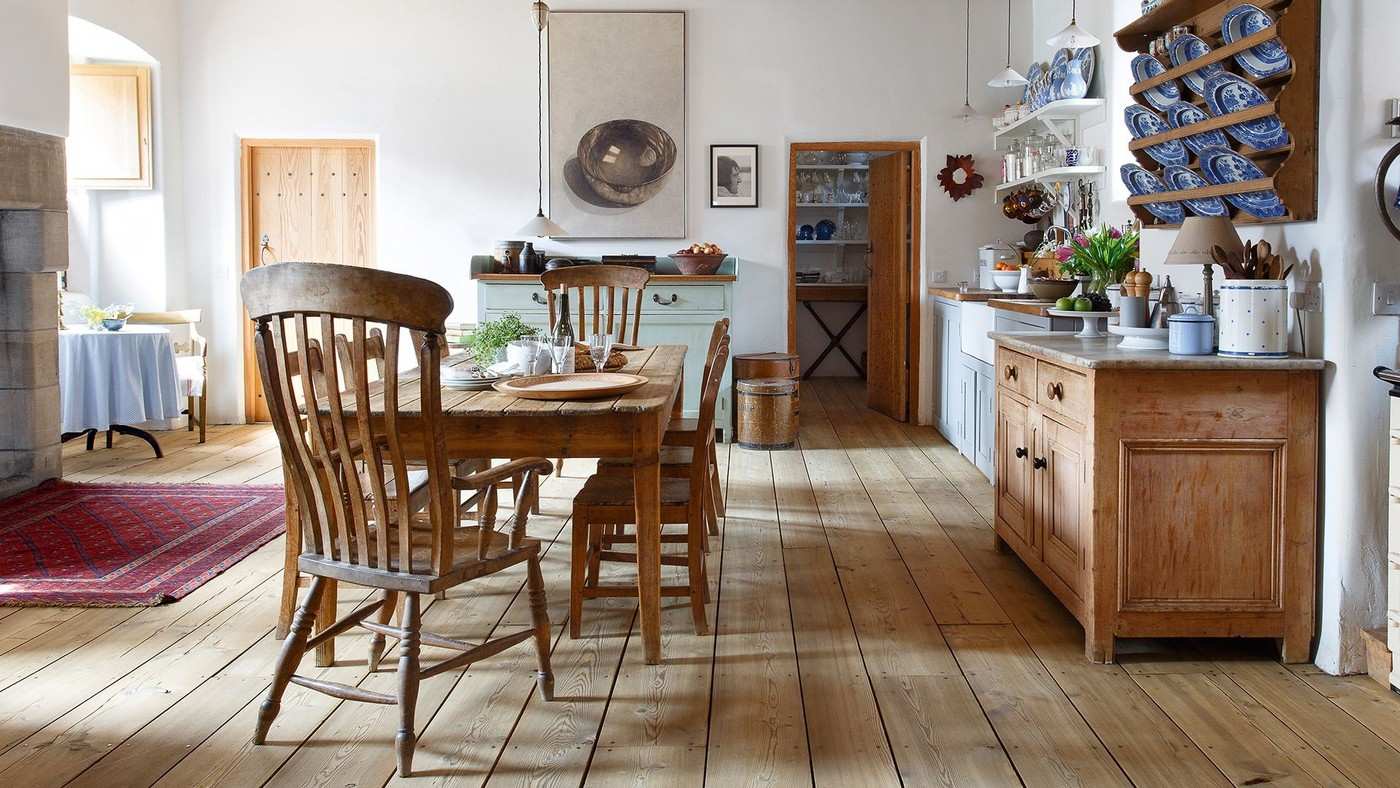
Engineered Hardwood Still Needs Wood-Safe Cleaning
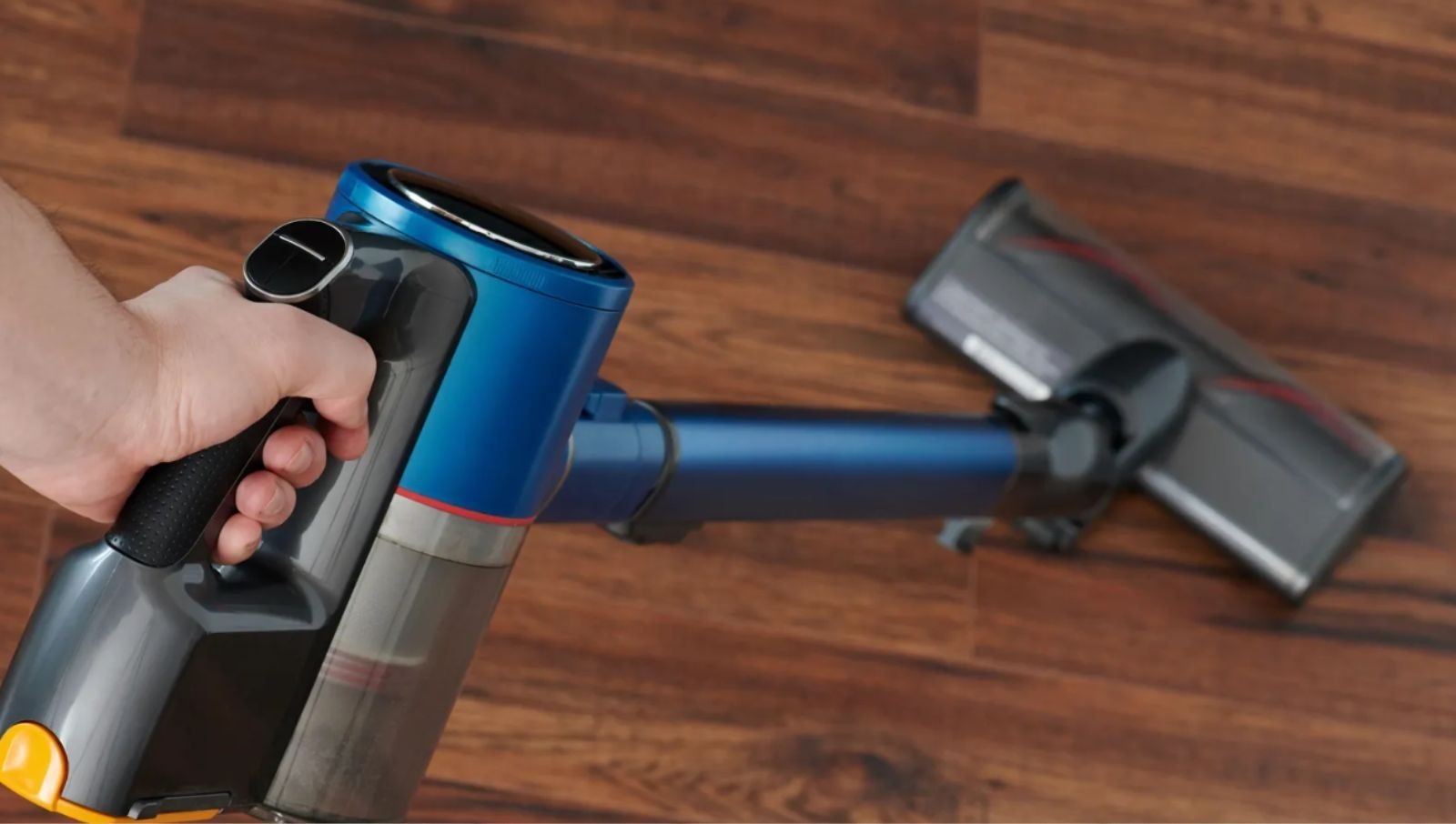
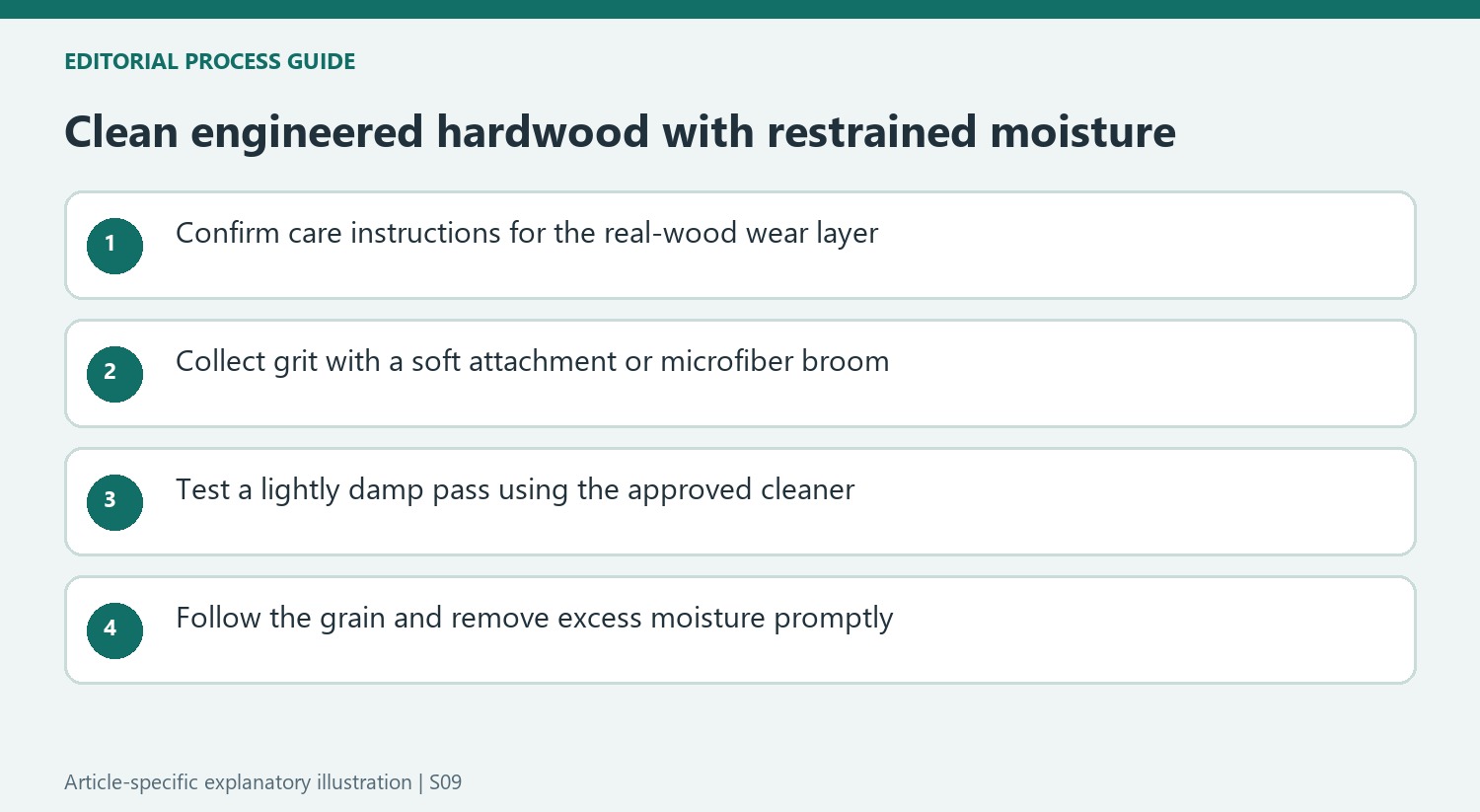
The engineered-floor reference begins with a soft brush attachment or microfiber broom to lift loose debris. Although the flooring has a layered construction, its upper surface is still real hardwood. That makes the choice of cleaning solution important rather than allowing any general-purpose product.
The expert recommends a lightly damp microfiber mop with a pH-neutral hardwood cleaner. Excess liquid and unsuitable acidic or harsh products can dull or damage the finish. Clean in a controlled way and follow the floor manufacturer's instructions instead of treating engineered wood like a fully waterproof surface.
Choose a mop that controls water
The source compares microfiber spray mops with spin mops that can be wrung thoroughly. Both can help manage liquid, while a traditional absorbent string mop makes it easier to leave too much behind. The useful distinction is the moisture reaching the floor. Test the wringing and pad condition before covering a large area, and replace or wash a dirty pad rather than moving residue between sections.
Clean along the grain in manageable areas
The expert recommends following the wood grain to reduce visible streaking and working in sections so missed patches are easier to notice. Apply only the compatible cleaner required by its directions. If the surface remains visibly wet, remove that moisture with a clean microfiber cloth. Engineered construction does not make the real-wood wear layer or its joints immune to water.
Avoid substituting heat for compatibility
The article cautions against steam mops because heat and moisture can damage wood, particularly untreated surfaces. It also recommends pH-neutral hardwood products and warns against harsh cleaners that strip or dull a finish. Check the particular flooring warranty and care instructions before introducing a new method. A different mop mechanism is useful only if the product and water level remain appropriate to that floor.
Do not confuse layered construction with a waterproof surface
The source's central distinction is that engineered flooring still presents genuine wood at its upper surface. Its layered construction does not remove the need to protect the finish and the joints from unsuitable chemicals or excess liquid. Identify the manufacturer's care requirements for the installed floor rather than borrowing instructions from a similarly colored vinyl or laminate product. A wood-like appearance and a real-wood wear layer are different material situations.
Before damp cleaning, use the soft brush attachment or microfiber broom recommended by the expert to collect loose debris. Check the attachment for trapped grit and avoid carrying a dirty brush from a rough outdoor area onto the finished floor. This first pass lets the cleaning liquid address adhered soil instead of turning loose dust into a film. It also makes patches needing focused attention easier to distinguish from a generally dusty surface.
Evaluate the mop by what it leaves behind
The article offers both a microfiber spray mop and a thoroughly wrung spin mop as possible approaches. Neither name guarantees an appropriate result: the useful test is whether the floor receives a lightly damp pass without lingering wet patches. A spray tool needs controlled dosing, while a spin mechanism needs effective wringing before contact. Use a clean pad and check the first small section before continuing through the room.
Follow the selected floor-approved cleaner's instructions rather than combining a product recommendation with an unrelated homemade recipe. The expert favors pH-neutral hardwood cleaning and warns against products that can strip or dull the finish. If the pad begins to leave a dirty trail, replace or clean it. Increasing the spray to compensate for a contaminated pad introduces more liquid while leaving the underlying problem with the tool unresolved.
Check the finished result as well as the cleaning motion
Working along the grain can help minimize visible streaks, and dividing the floor into sections makes missed areas easier to find. Retain that method without assuming the wood tolerates repeated wet passes until every reflection disappears. Remove excess moisture with a clean microfiber cloth, then assess the floor once it is dry. A streak may come from residue or a dirty pad rather than a shortage of cleaning solution.
Heat is not a substitute for choosing a compatible method. The guide cautions against steam because the combination of heat and moisture can damage wood, and the installed floor's warranty should inform any proposed change in equipment. Likewise, a persistent change in board shape or color deserves investigation rather than stronger mopping. Keep routine soil removal within the maker's instructions and treat any moisture-related damage as a separate condition to diagnose.
References
- This is the best way to clean engineered hardwood floors. Homes and Gardens; Dan Fauzi.
A genuine wood surface requires restrained moisture and a cleaner appropriate to its finish.


Leave a Comment
Comments (0)