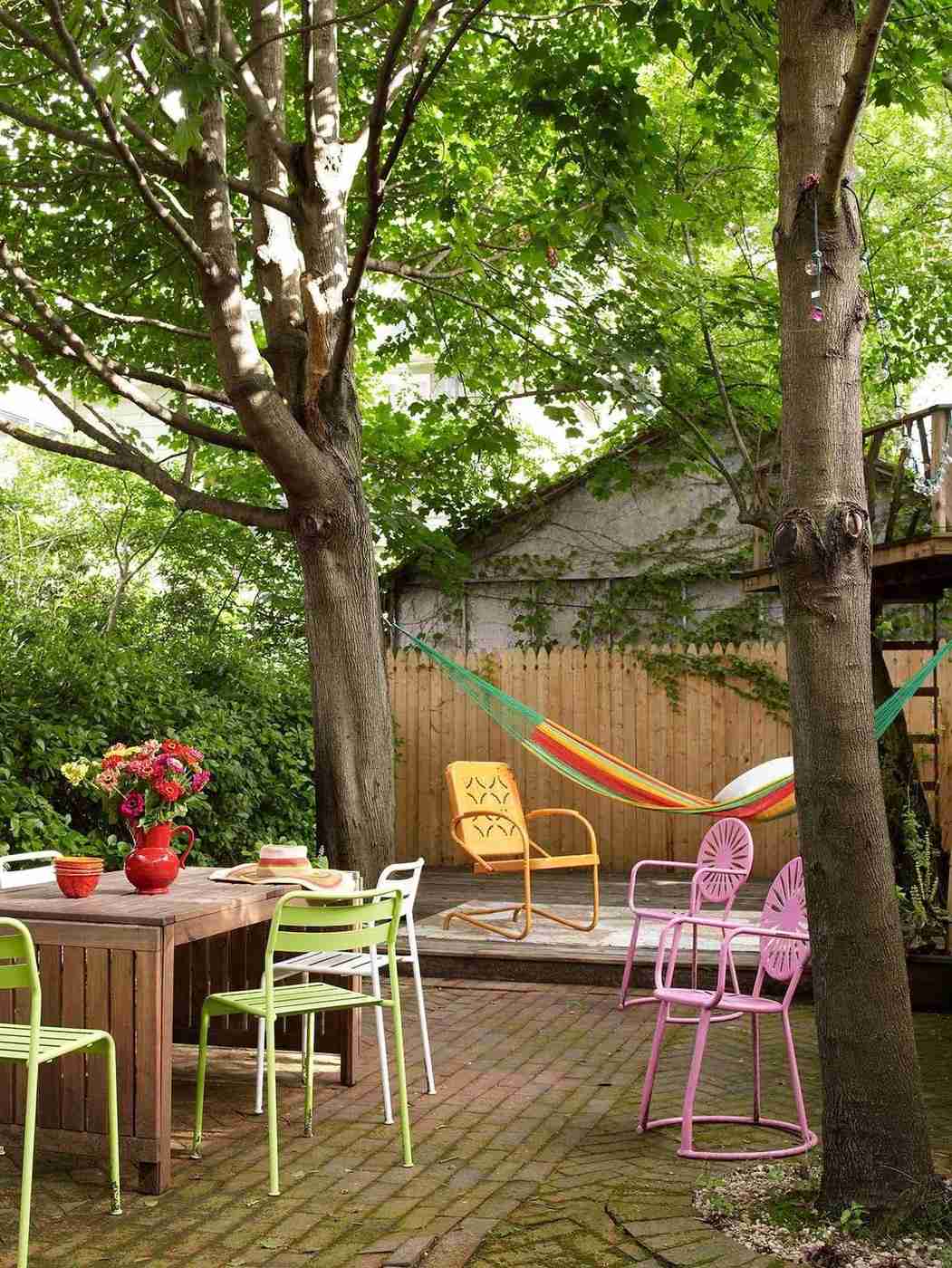
Treat Rusty Furniture Restoration as More Than a Wash
BHG recommends checking structural condition, preparing the surface and using compatible primer and paint.
Decide whether the piece remains sound
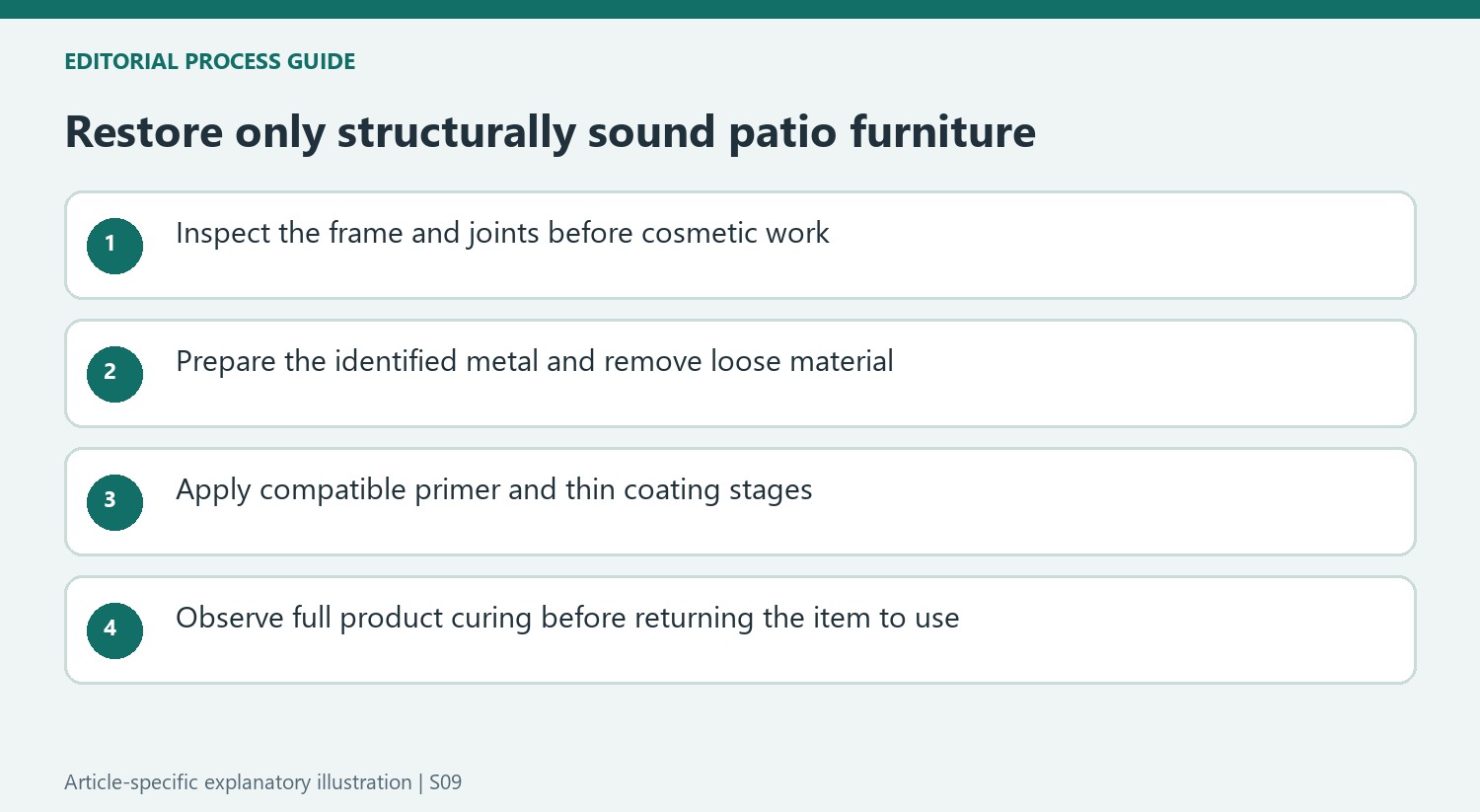
Better Homes and Gardens recommends checking that corrosion has not compromised a table or chair before starting cosmetic restoration. Small surface patches differ from extensive damage that can make a frame unsafe or unsalvageable. Where the structure remains suitable, loose rust and failing material must be removed and the surface prepared. Paint will not reliably adhere to a dirty, rusty area simply because the color covers it.
Renew the protection with compatible products
The article describes cleaning away preparation dust, applying a rust-inhibiting metal primer and following with thin coats of paint intended for metal. Work in a ventilated area and protect surrounding surfaces from overspray. A suitable outdoor clear coat can provide additional protection, but the actual products determine drying and curing times. Treat this as a restoration project with preparation and full curing, rather than a faster alternative to routine washing.
Treat the weather and coating schedule as project conditions
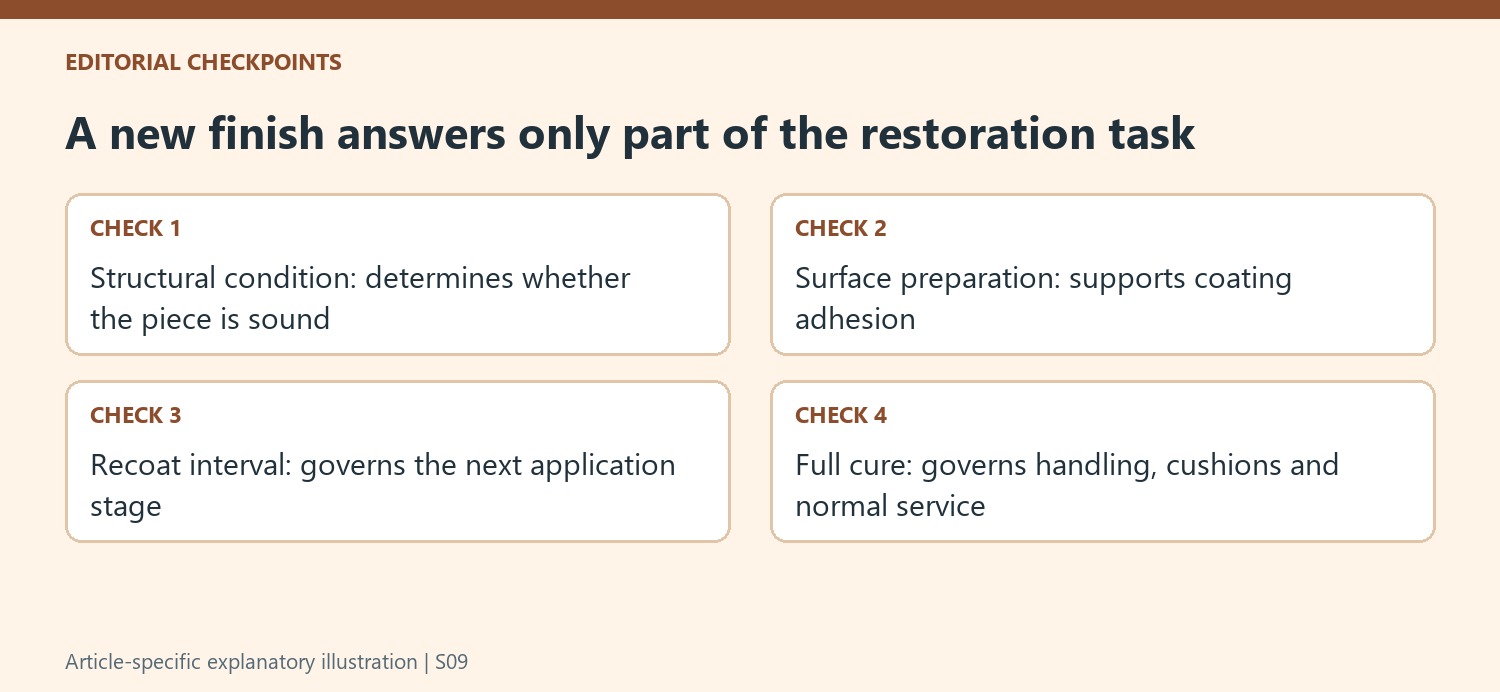
BHG recommends a ventilated working area with protection against overspray, avoiding strong wind and direct sun that can affect application. Plan access to the back, underside and joints before opening the paint, because missed areas remain exposed. The primer, paint and optional clear sealer must form a compatible system for the actual metal and outdoor use. Their labels set recoating, drying and curing requirements; a surface that feels dry may not yet be ready for loading or exposure. Keep the furniture out of service until the specified process is complete. Cosmetic paint should follow a sound-frame assessment and proper surface preparation rather than conceal unresolved damage.
Make structural inspection the first restoration decision
Better Homes & Gardens asks readers to confirm that corrosion has not undermined the furniture before repainting it. Keep that question separate from whether the color can be improved. A small surface spot and a large weakened area do not have the same implications for a load-bearing chair. Cleaning and new paint cannot replace missing metal or establish that a damaged joint will safely carry someone again.
Inspect the whole item rather than only the most visible rusty patch. If structural condition is uncertain, obtain suitable advice before treating the project as a straightforward cosmetic refresh. The source's encouraging restoration examples concern furniture that remains sound. That condition prevents a bright finish from becoming misleading evidence of readiness for use, especially when underside damage or loose components are less visible than the newly painted upper surfaces.
Treat surface preparation as part of the coating system
The guide explains that paint will not adhere properly to a dirty rusty surface, so preparation has its own sequence. Remove loose material, carry out the supported sanding and clear resulting dust before applying a compatible primer. The exact metal and existing coating should inform the current product instructions. A general list of aluminum, iron and steel furniture does not make every rust product or primer equally suitable for all three.
Arrange the work area to control overspray and protect surrounding surfaces, as the article advises. Its recommendation for ventilation and avoiding strong wind or direct sun belongs to applying the selected coating under suitable conditions. Keep the current labels for preparation and application available rather than relying only on an article's approximate timing. A paint that looks even immediately after spraying can still perform poorly if the substrate or application conditions were not appropriate.
Distinguish coat dryness from readiness for use
The source describes primer, thin paint coats and a suitable protective sealer, with drying stages between them. Use the actual products' directions for compatibility, recoat windows and curing; approximate article intervals are not a substitute. A surface dry enough for the next supported coat may not yet be ready for cushions, covers or normal seating contact. Plan the time and location needed to leave the item undisturbed through its full required process.
Include the back and underside where the selected application procedure requires coverage rather than evaluating only the decorative front. After curing, inspect the finish and fittings before use, keeping the original structural assessment in view. This is a restoration project with material preparation and protective coating decisions, not a quick wash followed by a new color. Regular compatible cleaning afterward can help reveal future damage without repeatedly sanding areas whose coating remains intact.
References
- How to Paint Rusty Metal Patio Furniture So It Looks as Good as New. Better Homes & Gardens; Jessica Bennett.
BHG recommends checking structural condition, preparing the surface and using compatible primer and paint.


Leave a Comment
Comments (0)