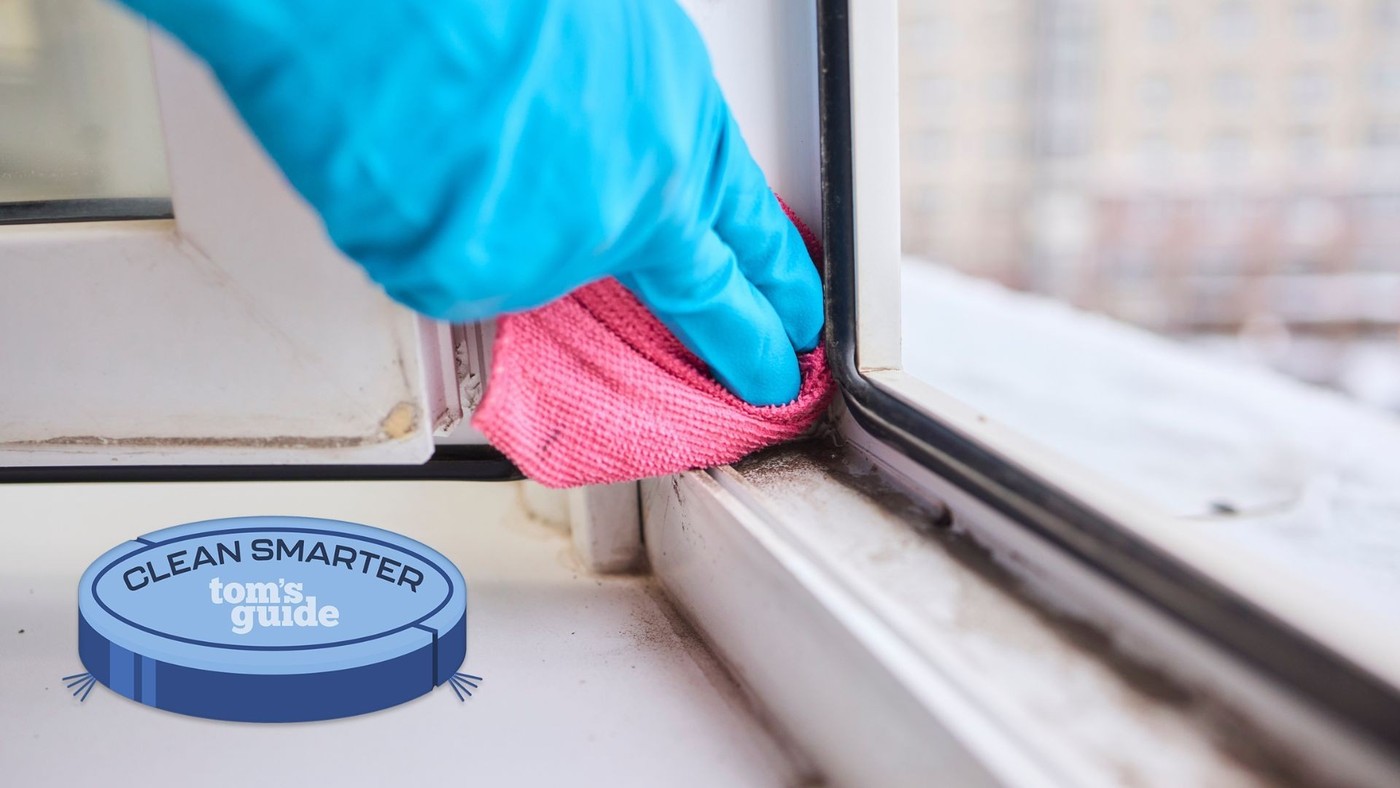
Include Neglected Window Tracks in a Deep Clean
The source describes a homeowner repeatedly washing the glass while postponing the dirty window tracks. Channels and corners can retain months of debris even when the main pane looks clean. Treat these areas as a separate part of a deeper window-care session.
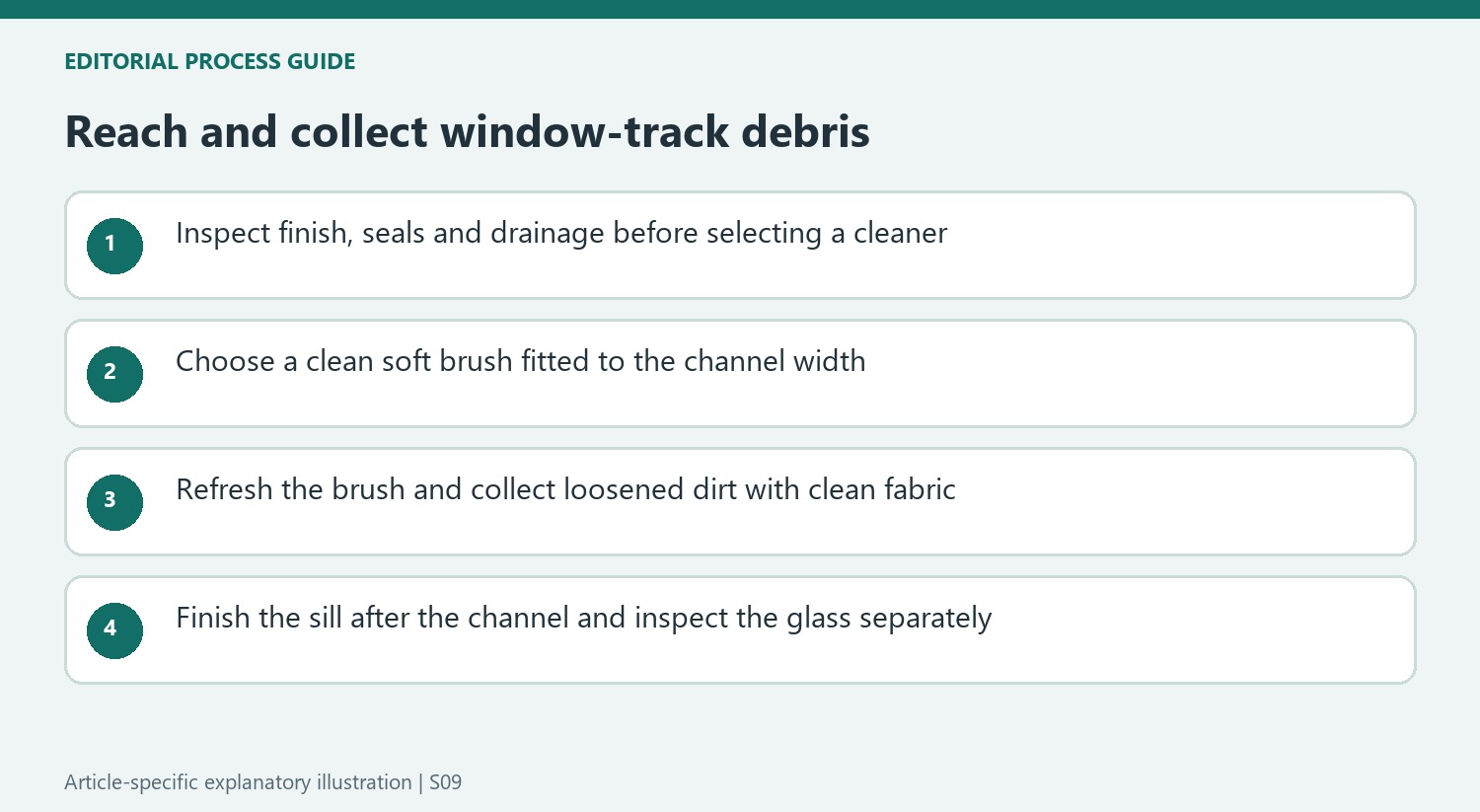
Inspect the frame construction and remove loose material before introducing moisture. Use a narrow soft tool suited to the channel, avoiding damage to seals or finishes. Finish by collecting loosened dirt rather than leaving it to settle back into the recess.
Choose a brush that fits the channel
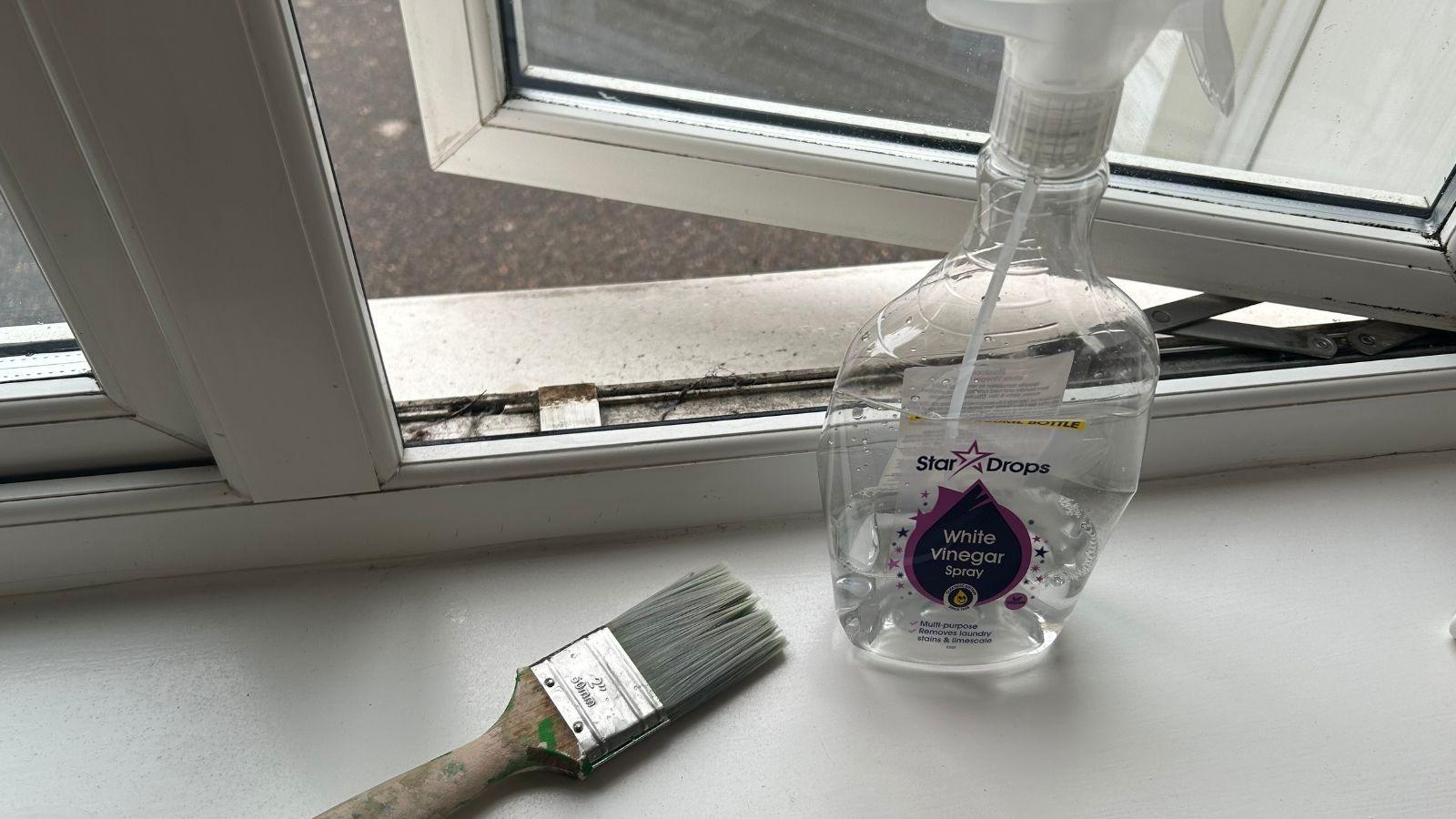
The Tom's Guide writer used a paintbrush narrow enough to enter window tracks, reaching recesses that a cloth could not comfortably access. Use a clean soft brush rather than one carrying dried paint or grit. The article's useful tool detail is its ability to reach the channel; it does not make every cleaner suitable for every frame finish or seal.
Refresh the brush instead of spreading dirty liquid
The source describes brushing loosened grime and then collecting it with a cloth or towel. It also recommends keeping a small container of clean water nearby to rinse the brush as it becomes dirty. This avoids repeatedly carrying the same debris between corners. Use only the necessary amount of compatible liquid, and keep the window's drainage paths and seals intact.
Finish the sill after the dirty track work
The writer notes that outside sills can become dirtier during the process, so inspect and wipe those after the channel is clean. Then assess the glass as a separate stage. This order completes the overlooked part of window maintenance without dropping newly loosened dirt onto a finished surface. Include tracks in future checks rather than waiting until months of residue make the task seem harder to begin.
Use the narrow brush for access rather than aggression
The Tom's Guide writer's useful discovery was that a suitably sized paintbrush could enter channels a cloth struggled to reach. Choose a clean soft brush that fits the actual track without forcing bristles against seals or trim. A brush carrying dried paint or grit introduces a different risk from a new cleaning tool. Inspect it before use, and regard its shape as the advantage rather than its ability to scrub harder than a cloth.
The original account used a familiar household cleaner, but that choice does not establish compatibility for every frame finish. Read the window care requirements and identify drainage openings before introducing liquid. Remove loose particles with a suitable dry method first where appropriate. This keeps the later brush stage focused on retained grime instead of immediately turning all accumulated debris into a larger muddy layer that must be collected from confined corners.
Keep dirty liquid moving out of the channel
The source follows gentle brushing with cloth or towel collection, which is the stage that actually takes loosened dirt away. Work in manageable areas and change the collecting face as it becomes soiled. Repeatedly dragging a dirty cloth through every corner can spread the same residue along the entire sill. Use only the compatible moisture needed for the job rather than treating an open track as a trough to fill.
Keep a small supply of clean rinse water available for the brush as the writer recommends. Refresh it when dirty so the bristles do not carry one window's grime directly into the next channel. Collect the liquid afterward and inspect recesses that remain difficult to reach. Persistent material should prompt a check of the shape and finish, not an attempt to pry at seals or alter drainage parts with the brush handle.
Complete the surrounding sill after the dirty work
The writer notes that the outside sill can become dirtier while track material is being removed. Inspect it after the channel rather than polishing it first and immediately covering it with new runoff. Use the appropriate method for that sill surface and keep dirty material away from a finished pane. The glass can then be assessed as its own stage once the overlooked recess is no longer feeding dirt back into the surrounding area.
Include accessible channels in future window checks so the task does not depend on a single overdue spring-cleaning session. The source's story involved repeatedly washing the glass while postponing the tracks; a brief inspection alongside ordinary care helps identify accumulation earlier. The goal is clean functional channels, preserved seals and clear drainage, not simply a dramatic before-and-after photograph. A small suitable tool is useful because it makes that neglected work reachable and collectable without turning it into forceful disassembly.
References
- I tried this weird TikTok cleaning hack on my window tracks, and now they're looking spotless for spring. Tom's Guide; Annie Collyer.
Clean panes do not remove the dirt gathered in the frame channels.


Leave a Comment
Comments (0)