Check Glass Compatibility before Trying a Cleaning Paste
The window-cleaning trial describes applying The Pink Stuff paste with a soft sponge in small motions. The writer reports removing winter grime and earlier marks on shower glass. The product's abrasive character is part of that process, not something to overlook.
Check the paste label and glazing instructions before using it on a coated or delicate pane. Test where recommended and remove residue thoroughly. An effective result in one household should not become a claim that every glass surface tolerates the same treatment.
Read the four-step account as a personal trial
The Homes and Gardens writer calls the method Pink and Blink and reports using it on exterior windows after winter. The result is an account of one cleaning session, not a comparison across different glazing systems. The paste's mild abrasive action was part of the described process, so the manufacturer's glass restrictions and a surface check matter before anyone repeats the method elsewhere.
Remove the paste before removing the water
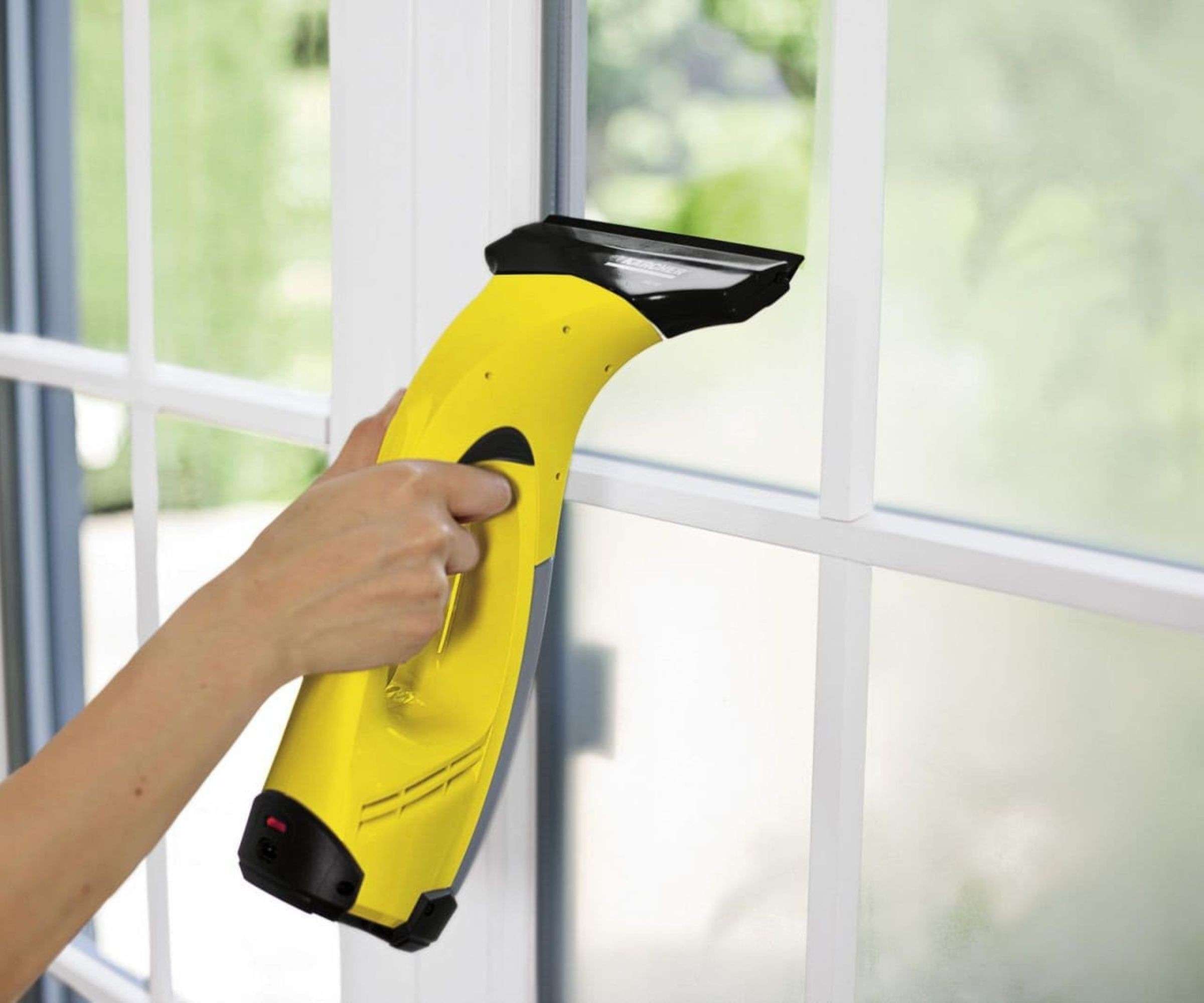
The writer rinsed with cold water and used a clean damp cloth where residue clung to the pane. Only afterward did a window vacuum collect the excess water, followed by a dry cloth at the corners. That order matters: a water removal tool is not necessarily intended to collect concentrated paste. Follow its manual and avoid leaving abrasive particles for the final buffing pass.
Treat tracks and seals as a separate cleaning task
The article also describes reaching dirt in window tracks with a shaped sponge. Use a compatible tool for the actual frame and seals, without damaging drainage openings or spreading dirty material back onto the cleaned pane. A neglected track can remain visibly dirty even when the glass is clear. Finish by inspecting the edges and collecting runoff rather than assuming a polished center means the whole window has been maintained.
Identify the surface before evaluating the paste
The Homes & Gardens writer describes using a mildly abrasive paste on exterior windows after trying it on shower glass. That is a household account involving particular surfaces, not testing across all glazing systems. Read the current paste label and the window care guidance together. A treatment on one pane does not establish that a coated or delicate pane elsewhere is compatible, even if both look like ordinary transparent glass.
The sponge matters alongside the paste. The source uses a soft applicator and restrained small movements, rather than a stiff scouring tool. Check any supported test procedure before wider use and avoid assuming more pressure will improve the result. The material that loosens winter grime is also the material that must be removed afterward. Treat abrasion as a real characteristic to assess, not a detail made irrelevant by a favorable review.
Keep paste removal ahead of water collection
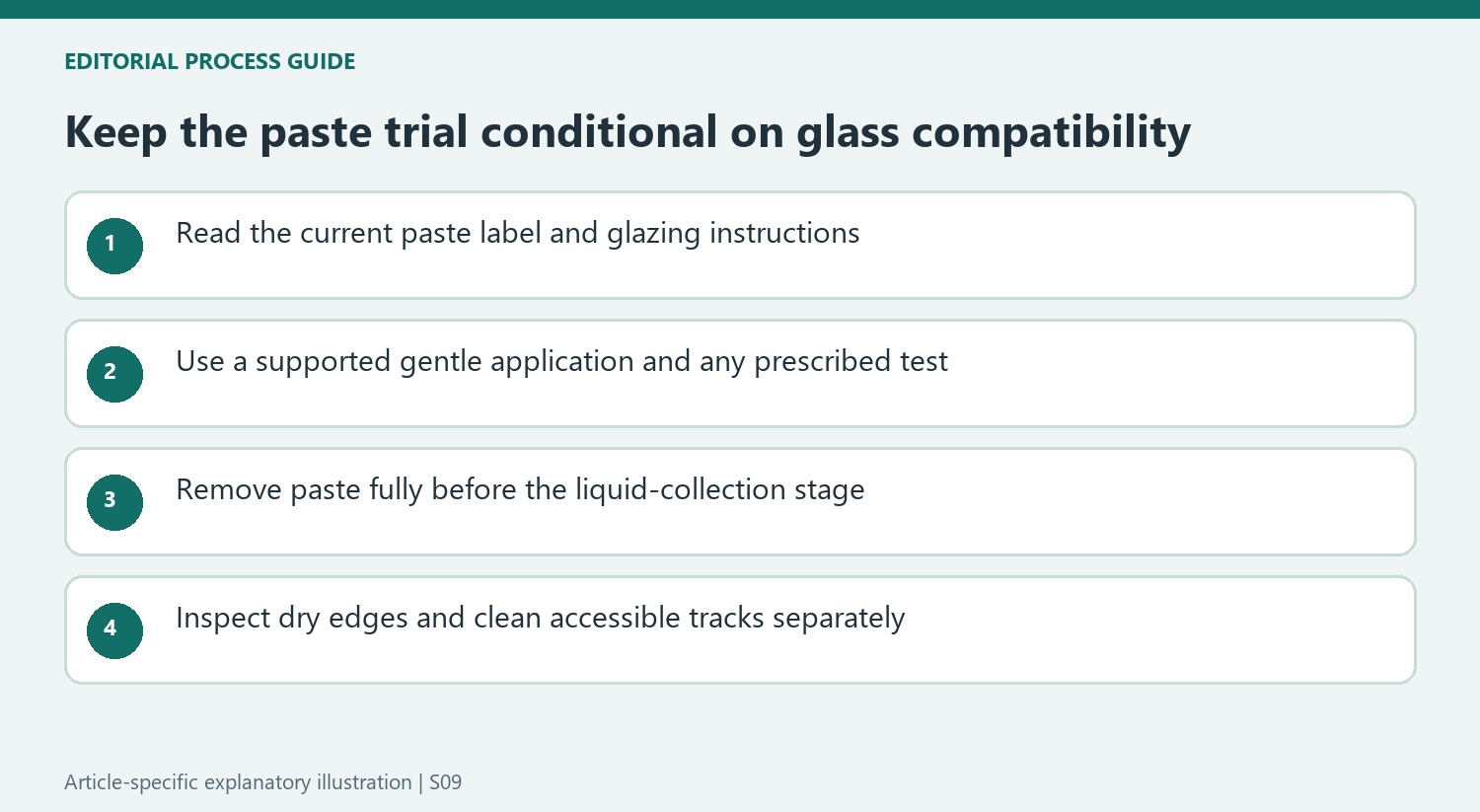
The writer rinsed the pane and used a clean damp cloth where paste remained. Only after this stage did a window vacuum collect the excess water. Preserve that separation when interpreting the account: a water-removal appliance should not be presumed capable of collecting a concentrated abrasive product. Follow its manual and remove the cleaning material under the product's directions before giving the finishing tool its ordinary liquid-collection task.
Use fresh suitable fabric where additional removal is needed so paste particles are not carried into the final buff. Check the corners and lower edge, where runoff or product can gather after the center looks clean. A quick bright reflection while wet may hide a film that becomes obvious later. Inspect after drying before choosing whether a local repeat is appropriate; an incomplete rinse calls for better removal rather than automatically another full paste application.
Maintain the track without undoing the glass work
The source separately discusses dirt gathered in tracks and seals. Access those spaces with a compatible tool that fits without damaging seals or obstructing drainage. A shaped sponge is an access idea, not permission to cut or alter any part of the window assembly. Keep dirty track material away from the finished pane and collect runoff so the final result includes the working surroundings rather than only the middle of the glass.
The review's reported speed and convenience belong to that cleaning session. Other windows may need a different compatible method, and ordinary light soil may not justify a paste at all. Decide according to the actual deposit, finish and approved tools. The useful order is surface assessment, controlled application, complete cleaning-material removal and then water collection, followed by separate attention to accessible tracks. Each stage has a distinct purpose and should be judged by its own result.
References
- I used the 'Pink & Blink' window cleaning hack to remove winter grime – it's fast and effective. Homes and Gardens; Chiana Dickson.
A writer's window-cleaning experiment uses a mild abrasive rather than a plain liquid wash.


Leave a Comment
Comments (0)