Evaluate Upholstery Cleaners for Instructions as Well as Stains
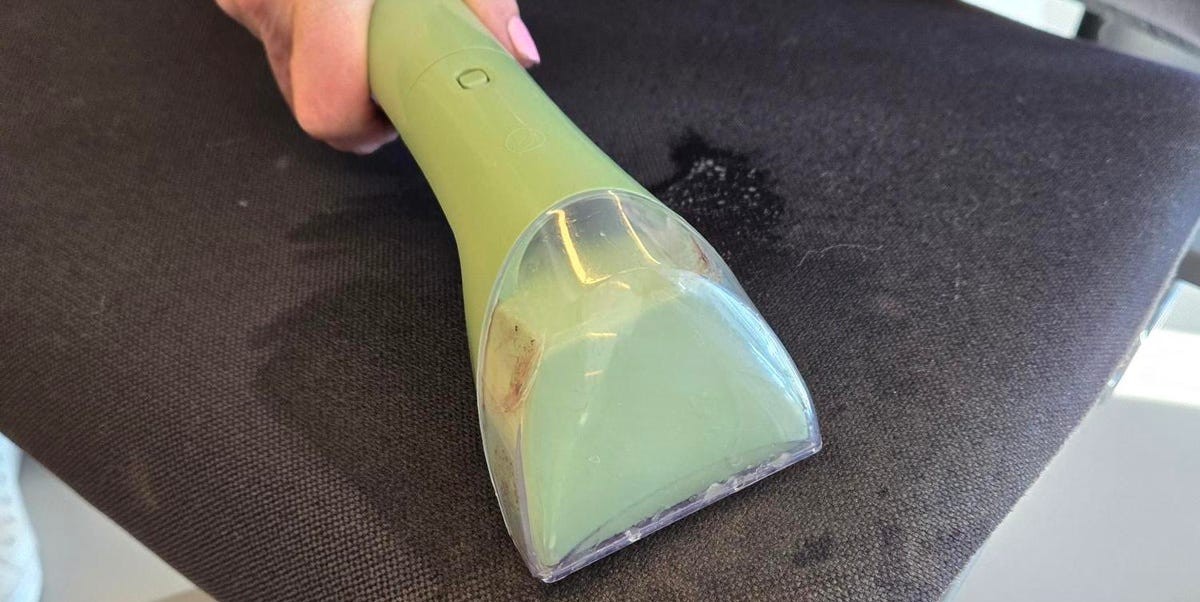
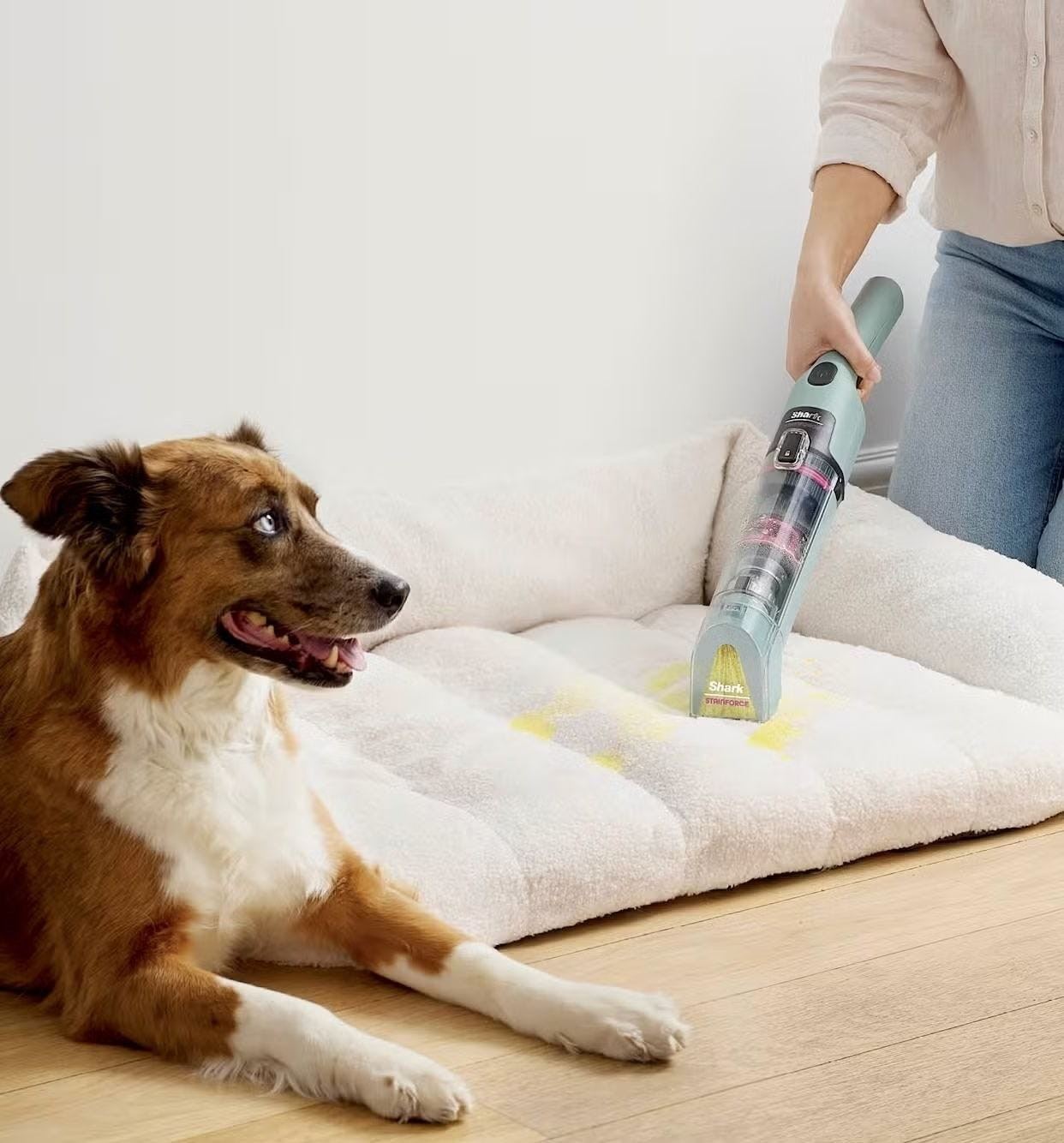
The source describes testing upholstery cleaners for stain and odor removal, usability, surface suitability, and instruction clarity. Portable extractors apply formula, agitate with a brush, and recover dirty liquid. That process differs from wiping a spray with a cloth.
Choose equipment that matches the furniture care code and the size of the job. A tool that performs well in testing still needs the correct solution and a complete drying period. Read exclusions for delicate materials before transferring a recommendation to a particular chair or sofa.
Look beyond a single stain result
Good Housekeeping describes controlled food, dirt and oil stains on representative upholstery fabrics, alongside checks for damage, rinsability and clear label warnings. Machine assessments also consider attachments, tank handling, storage and maintenance. Those criteria explain why a strong stain result alone cannot establish the best choice for a particular household. An awkward recovery tank or unclear exclusions can matter during every use.
Match the product format to the surface
The comparison includes liquid spot treatments, portable extraction machines, dry granules, outdoor-fabric products and leather care. Their instructions are not interchangeable. For example, the listed Woolite treatment excludes silk, velvet, vinyl and leather, while the leather kit separates cleaning from conditioning. Check the actual package rather than treating the upholstery category as permission to use any reviewed product on every seat.
Include dwell time and cleanup in the decision
The guide describes enzyme products with extended contact periods and machines whose dirty-water systems need cleaning after use. A rapid spray-and-wipe routine cannot replace those directions. Follow the selected formula's dwell requirements, keep the area available for drying and maintain the equipment before storage. Consumer feedback and laboratory comparisons can narrow choices, but the furniture label remains a separate compatibility check.
Use the testing criteria to define the household question
Good Housekeeping evaluates more than whether one dramatic stain disappears. Its stated checks include damage, removal of cleaner, directions and label warnings, alongside machine handling and storage. Use those criteria to compare the tasks in the actual home. A strong laboratory stain result does not eliminate the need for clear dilution instructions, an accessible recovery tank or a cleaning head that reaches the chosen furniture without awkward positioning.
The source combines controlled stains on representative fabrics with household feedback. These forms of evidence can complement each other without proving performance on every covering. Read the furniture code separately and identify whether the intended job is a small accident, broader upholstery washing or loose-hair collection. Product rankings become more useful when they narrow a defined task rather than encouraging one highly rated solution to be used across every seat and material.
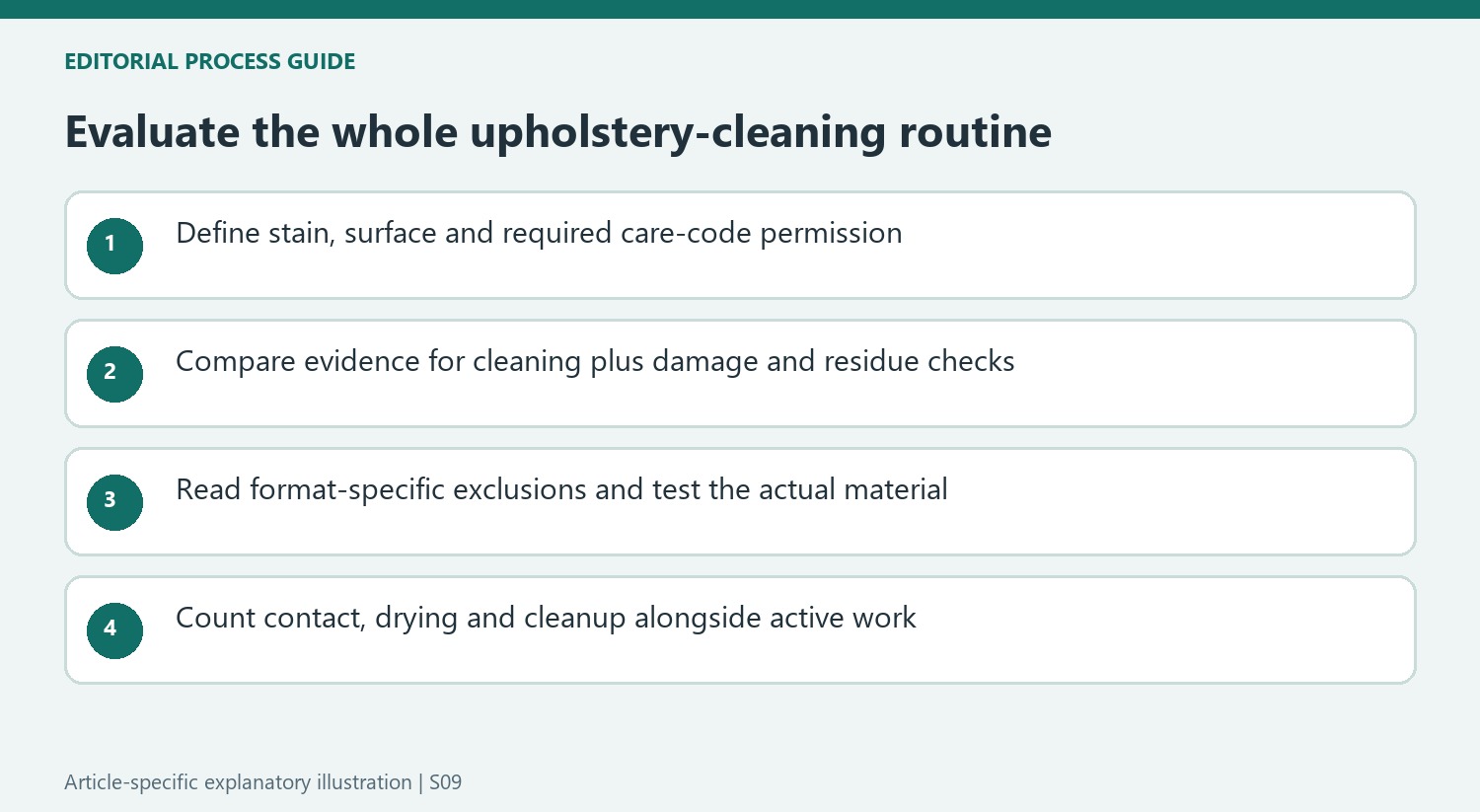
Keep the product formats and their exclusions distinct
The comparison includes portable extractors, sprays, dry granules, outdoor-fabric treatments and leather care. Each has a different way of applying, collecting or removing material. A low-moisture granule process is not the same as vacuum-only permission from the furniture maker, and a liquid spray does not necessarily belong in a machine tank. Read both the current product label and the furniture requirements before deciding that a format fits the surface.
The guide specifically excludes silk, velvet, vinyl and leather from one listed oxygen-based treatment, while its leather kit separates cleaning from conditioning. Preserve those boundaries rather than interpreting upholstery as one material. A hidden test remains necessary even when a formula is described as color-safe. The purpose is to check the actual textile and finish after drying, not merely to confirm that the first wet wipe did not immediately release visible color.
Count contact time, drying and equipment care in convenience
An enzyme treatment with an extended contact requirement cannot be replaced by a quick spray-and-wipe routine if the odor-removal objective depends on that stage. Follow the actual product's instructions and keep the area available for the required period. Similarly, an extractor's powered pass ends before the fabric has necessarily dried. Compare the full time during which the seat is unavailable rather than only the minutes spent holding the cleaning wand.
Machine ownership also includes cleaning tanks, hoses and heads before storage. The guide's usability assessments are relevant because awkward maintenance can recur at every session. For other formats, consider brush cleanup, product removal or replacement adhesive sheets where relevant. Choose the complete compatible routine that fits the household's stains, materials and maintenance habits. Testing can support that choice while the final decision still depends on the actual label, operating requirements and opportunity for complete removal and drying.
References
- We Tested 30+ Upholstery Cleaners—These 9 Removed Stains the Best. Good Housekeeping; Carolyn Forté.
Ease of use and fabric safety are part of a useful product comparison.


Leave a Comment
Comments (0)