 Wood Surfaces
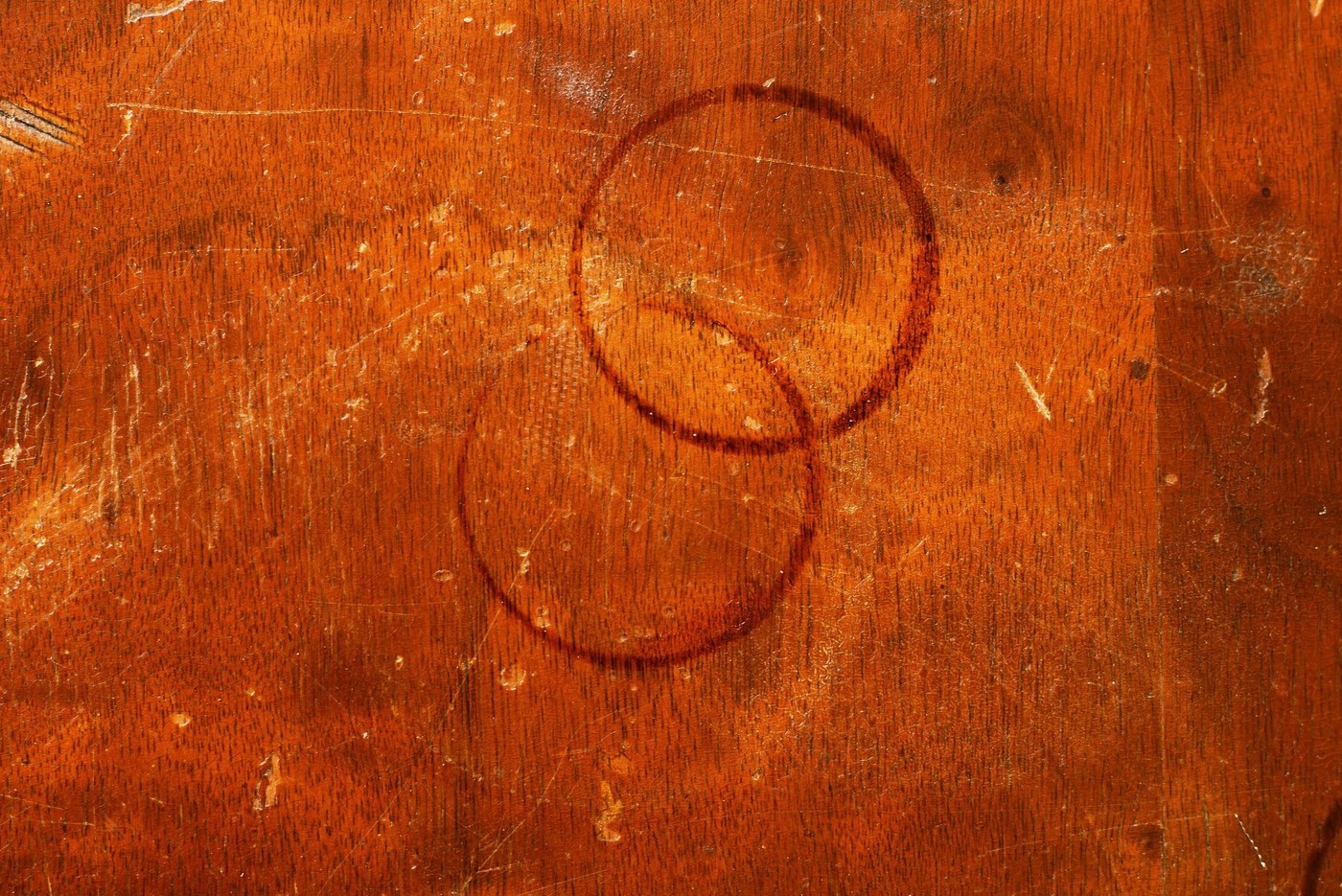
Read the Color of a Wood Water Ring Before Treating It
The Spruce distinguishes pale marks in a finish from dark staining that can call for restoration.
READ MORE
Wood Surfaces
The Spruce distinguishes pale marks in a finish from dark staining that can call for restoration.
READ MORE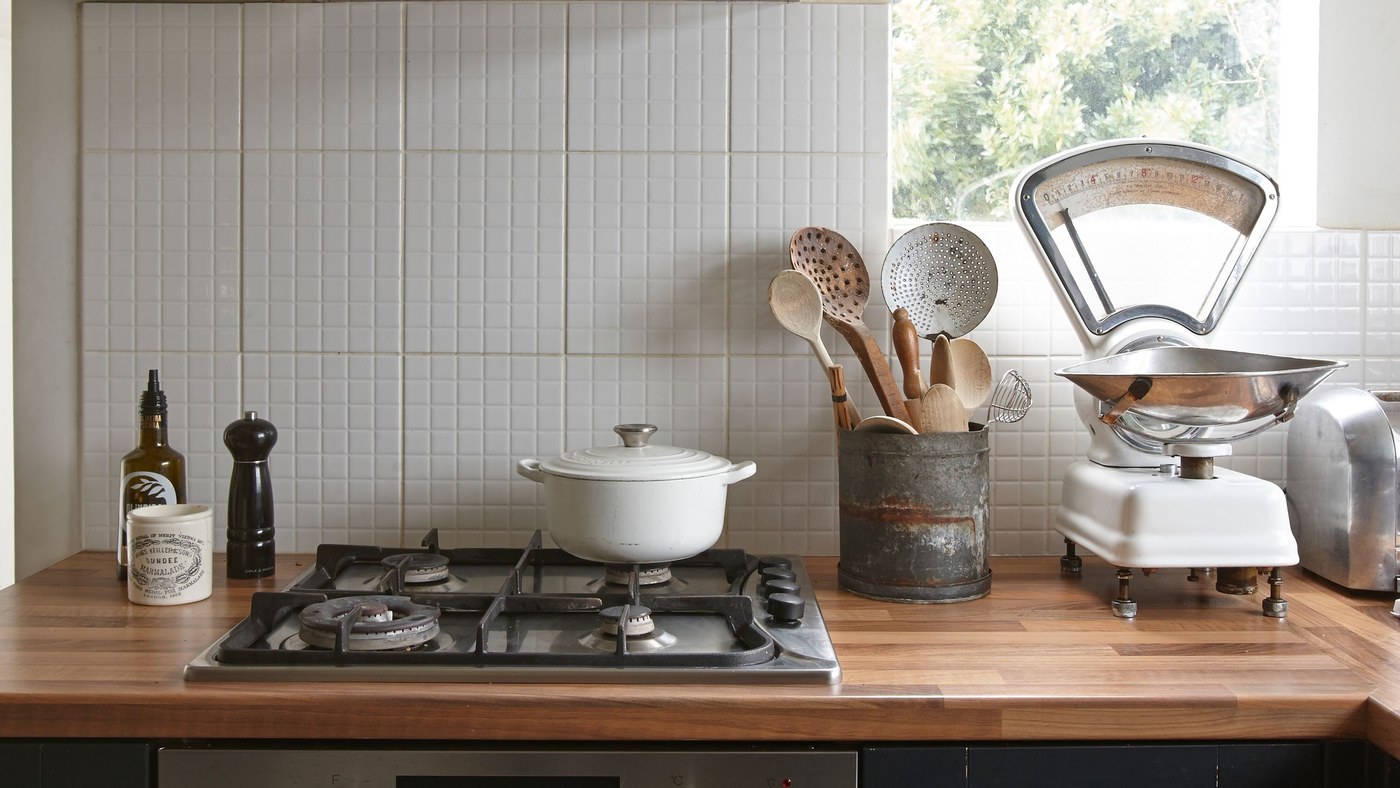 Wood Surfaces
Natural wood brings repair potential and warmth, alongside maintenance demands that differ from laminate or stone.
READ MORE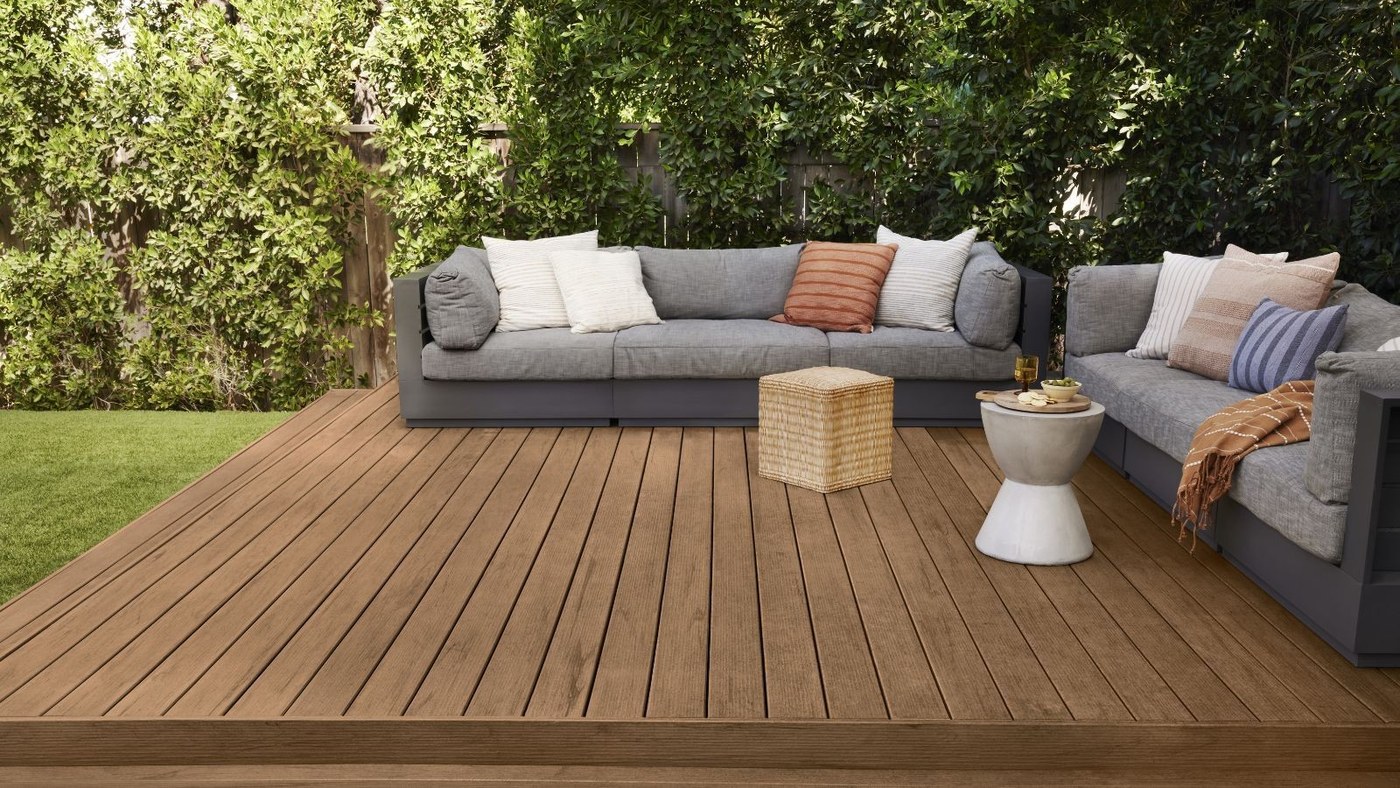 Wood Surfaces
A soft-bristled approach can remove surface grime without the fiber damage associated with aggressive washing.
READ MORE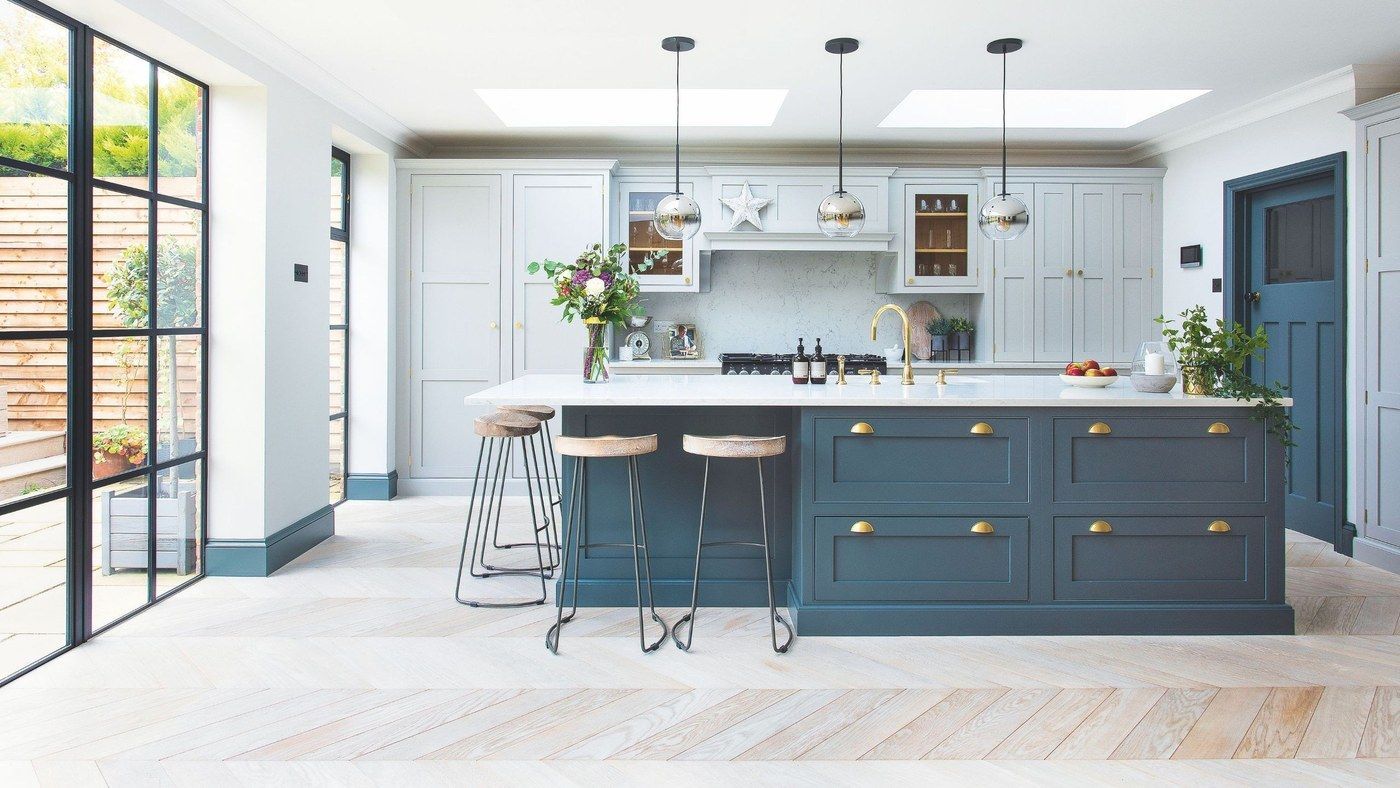 Wood Surfaces
Layered wood can be damaged by the combination of moisture and high temperature.
READ MORE Wood Surfaces
Removing dry dirt first reduces what a later damp pass must handle.
READ MORE Wood Surfaces
A layered construction improves stability without removing the need for careful maintenance.
READ MORE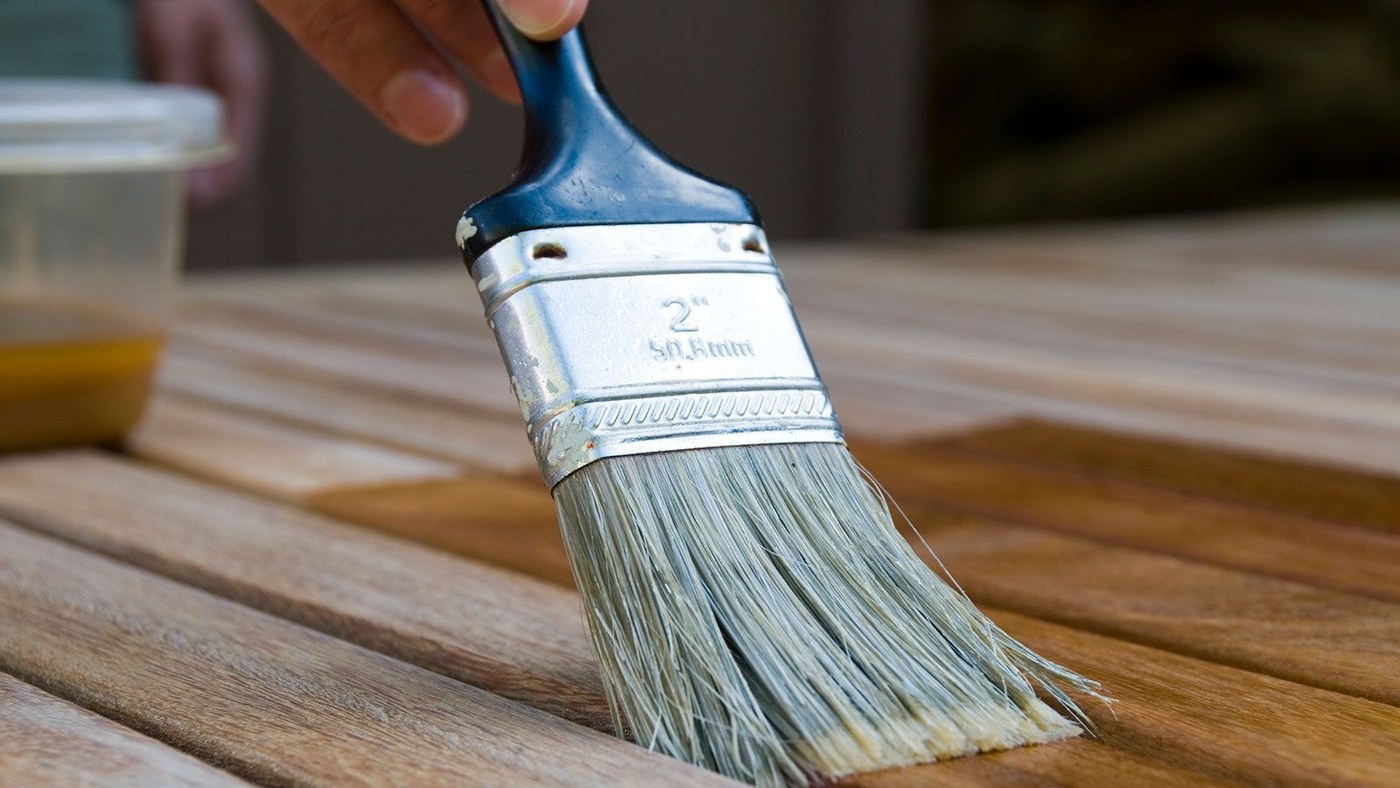 Wood Surfaces
Teak's natural durability makes its maintenance needs different from those of some other woods.
READ MORE Wood Surfaces
The weave describes a construction method, so its underlying material still matters.
READ MORE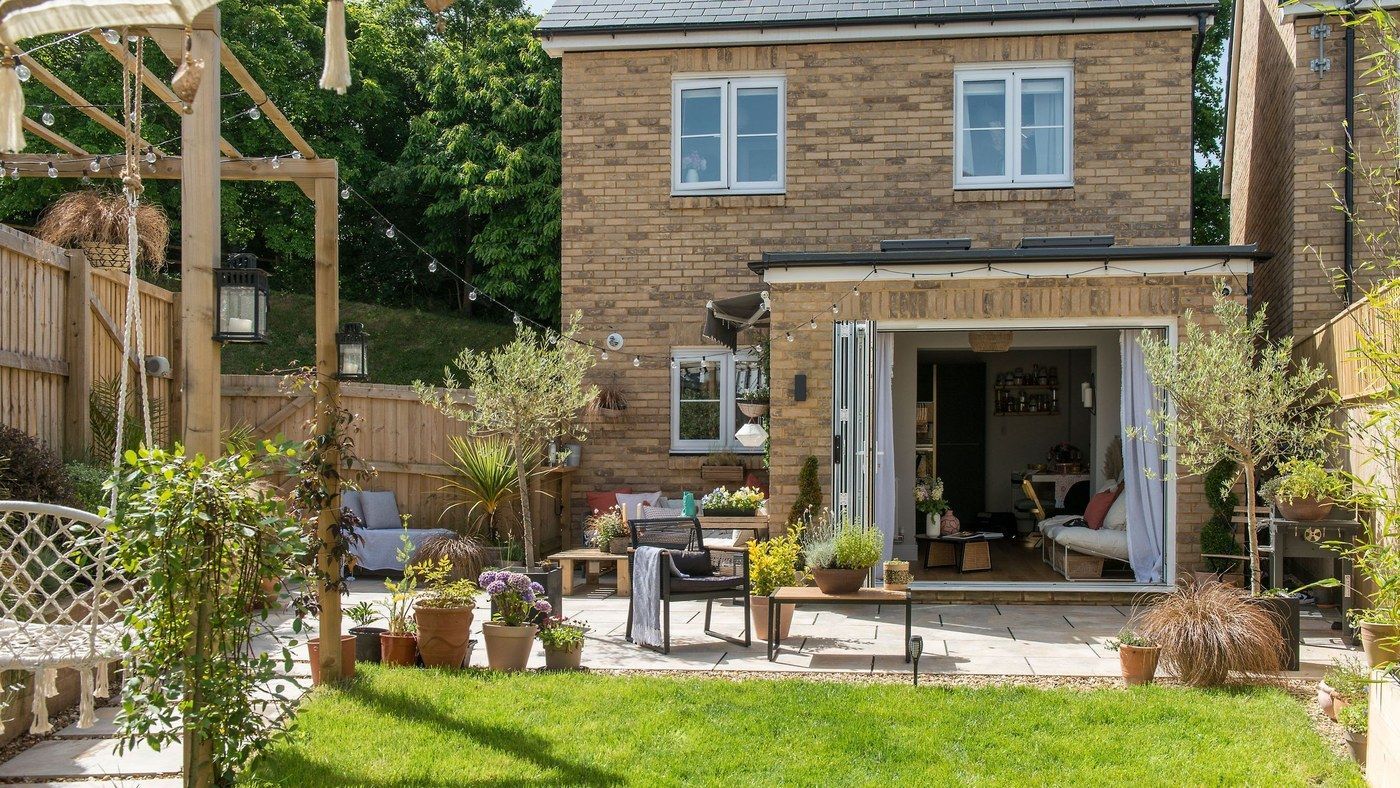 Wood Surfaces
A rapid visible clean may come at the expense of the timber's surface and structure.
READ MORE Wood Surfaces
Winter protection begins with suitable storage and air circulation around the pieces.
READ MORE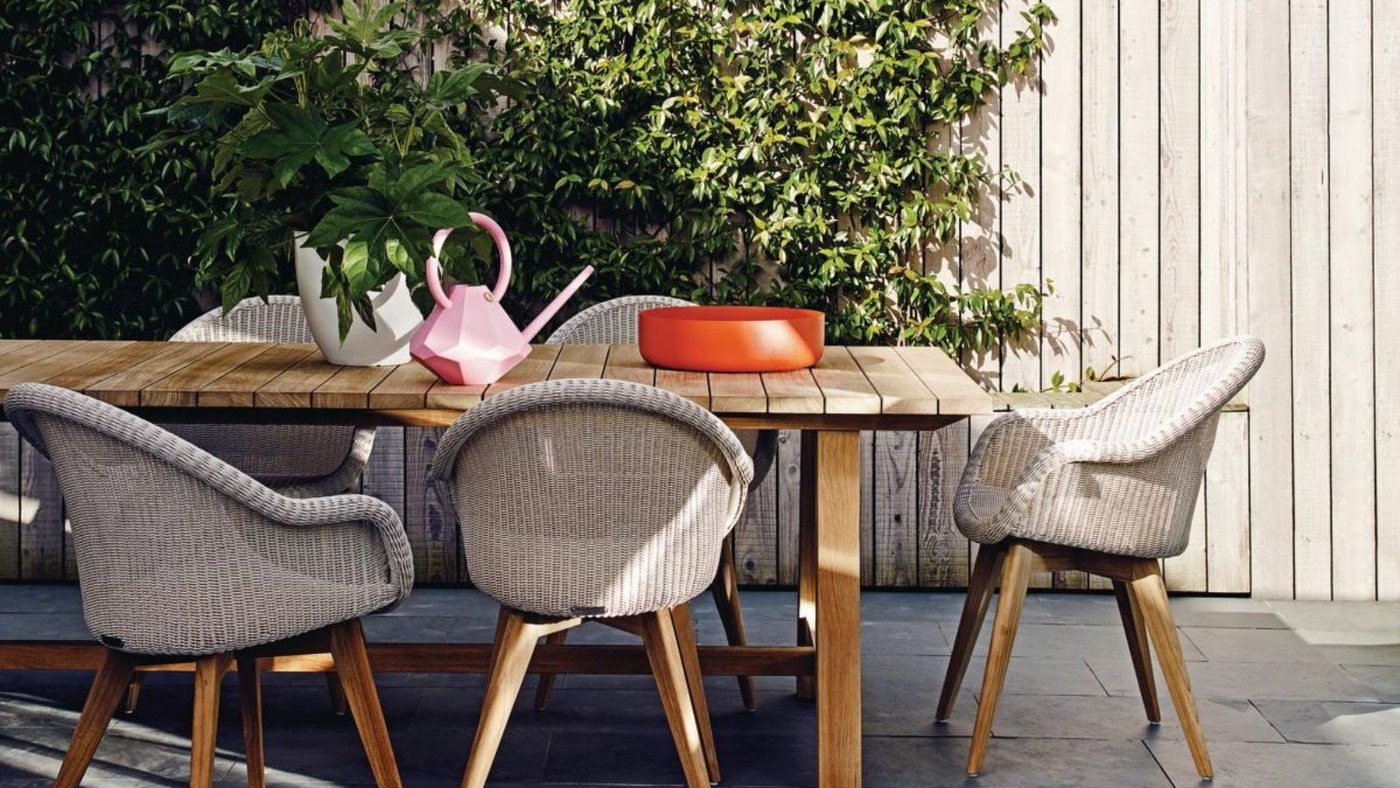 Wood Surfaces
Removing dry debris first makes the later wash more controlled and less abrasive.
READ MORE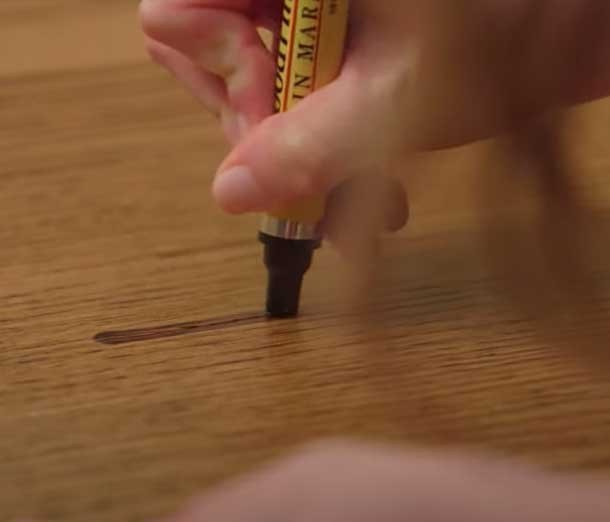 Wood Surfaces
Markers add color to scratches, while putty and filling pencils address nicks.
READ MORE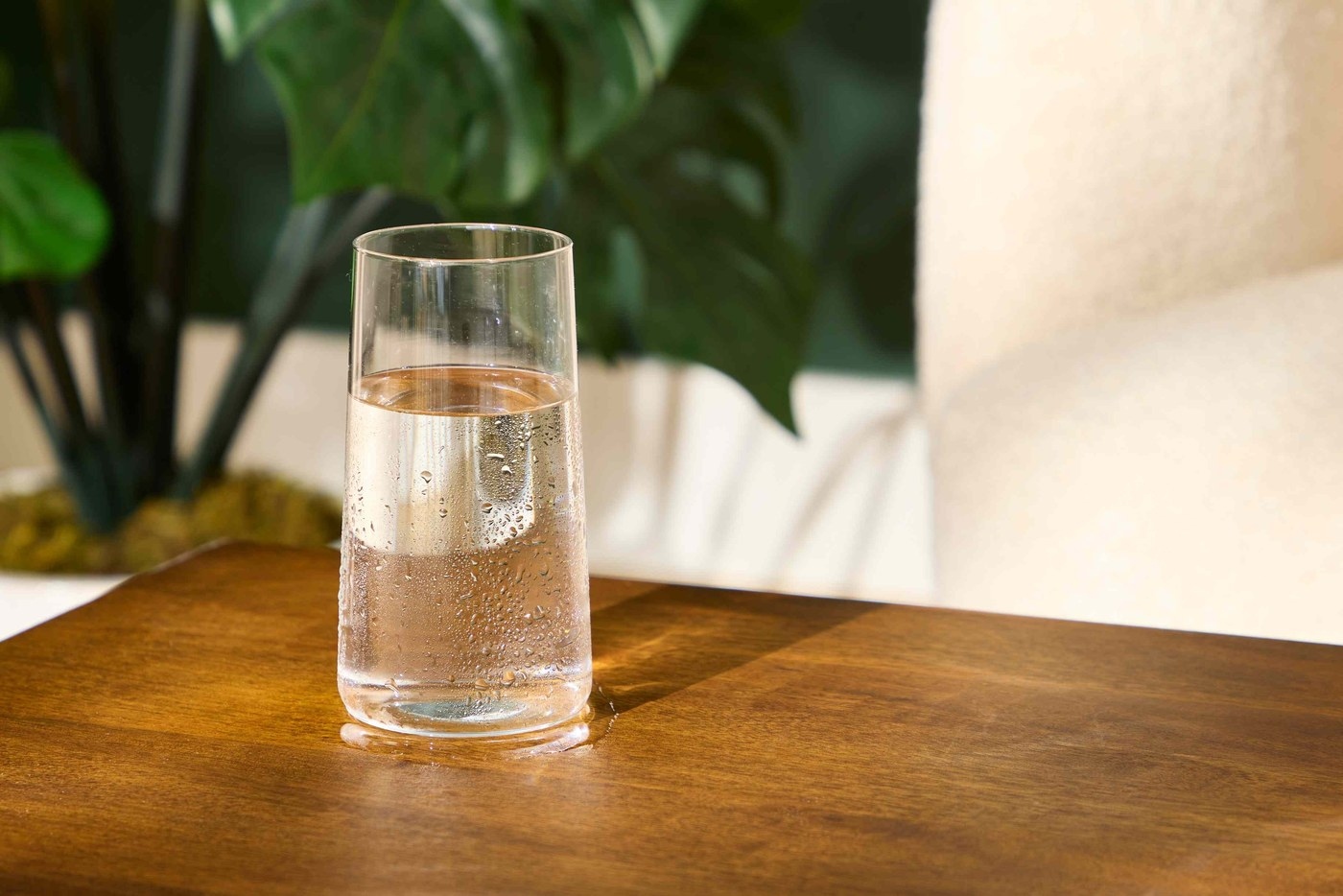 Wood Surfaces
The Spruce warns that oil-based treatments can darken dry wood or a worn coating.
READ MORE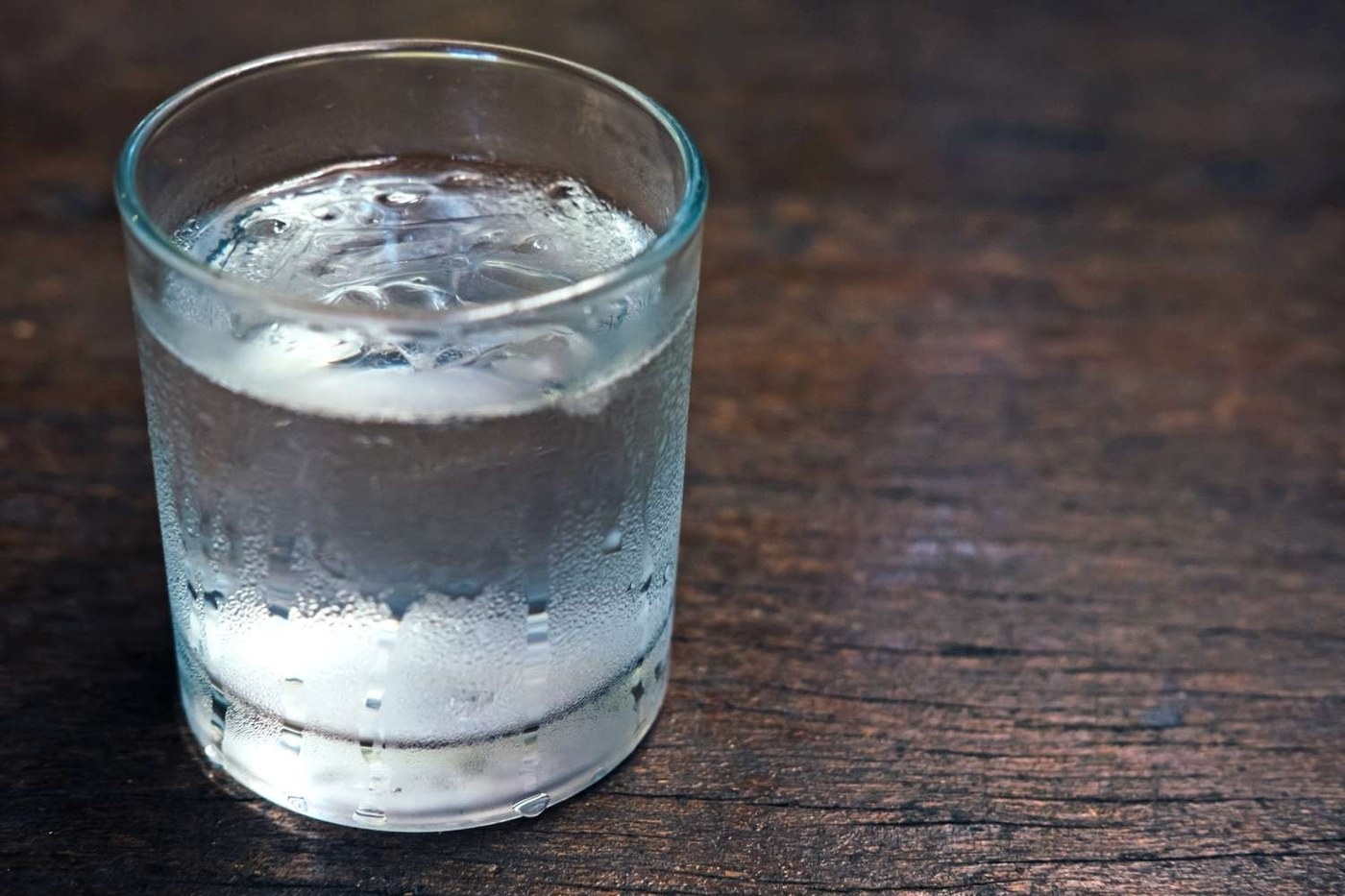 Wood Surfaces
Real Simple recommends a hidden-area check and separates surface treatment from sanding and refinishing.
READ MORE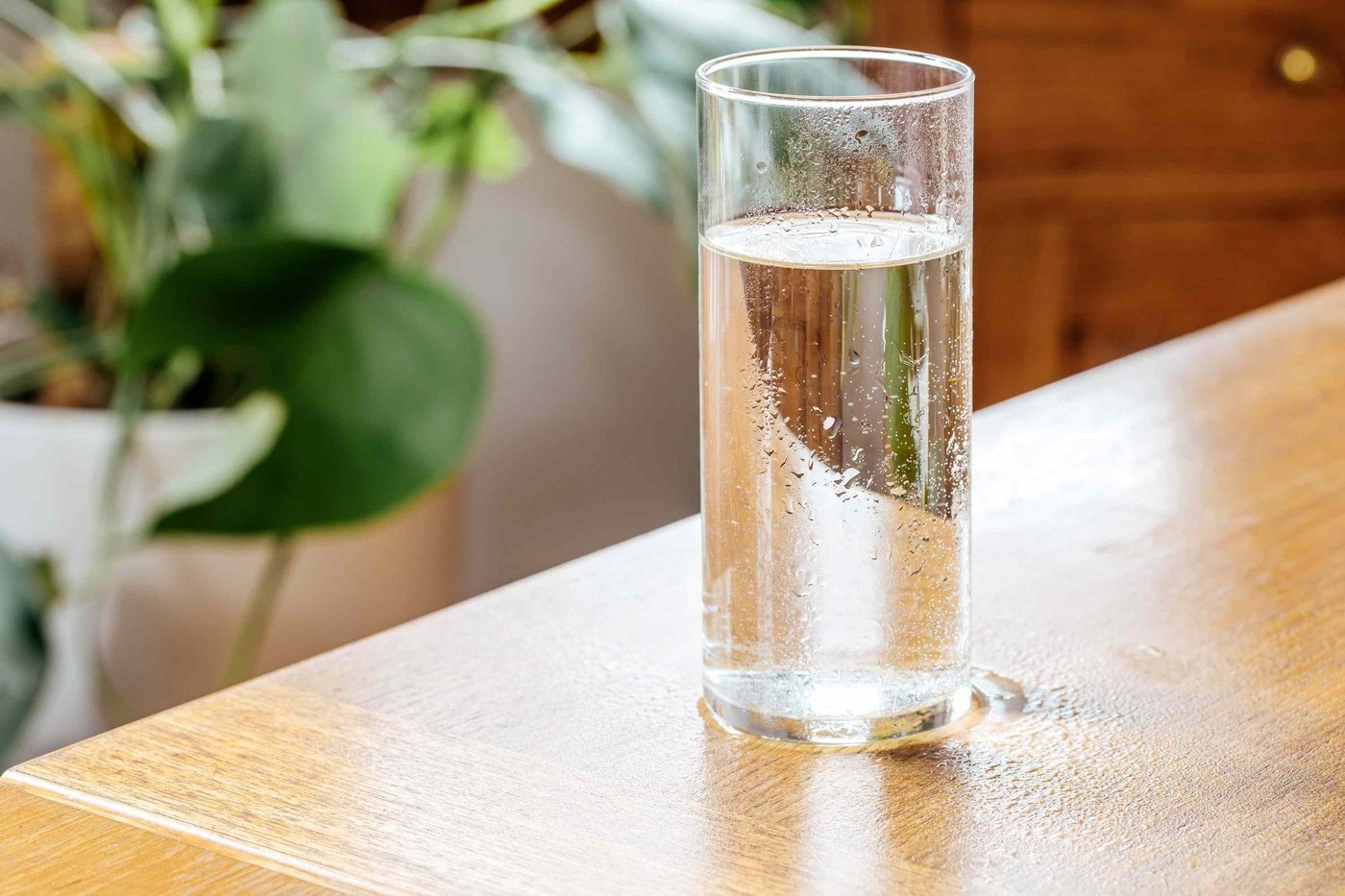 Wood Surfaces
BHG explains why a darker-looking surface can hide a pale mark without repairing the underlying problem.
READ MORE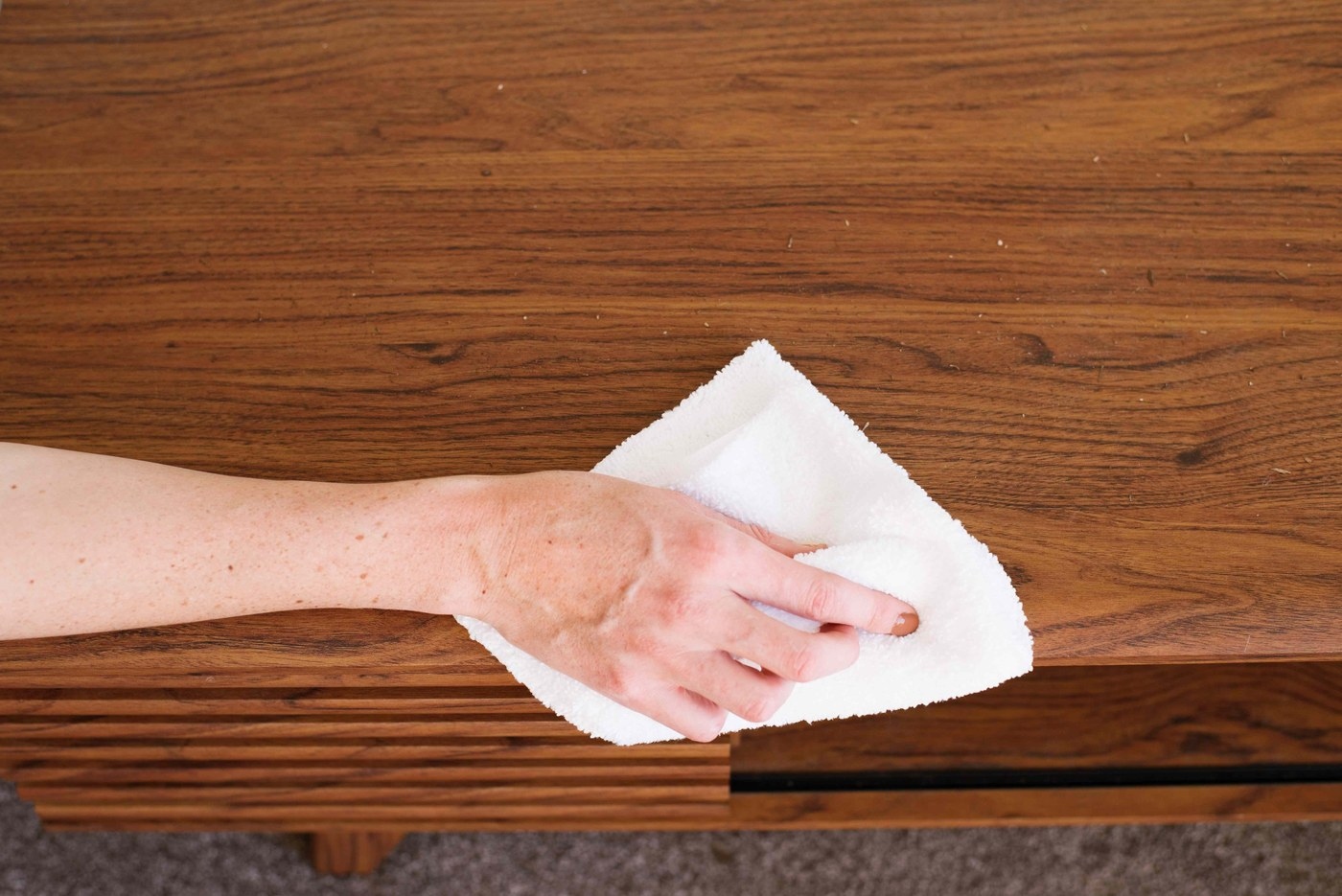 Wood Surfaces
The Spruce separates everyday dust removal from deeper treatment of accumulated polish and difficult marks.
READ MORE Wood Surfaces
Preparation affects both absorption and the appearance of the final coat.
READ MORE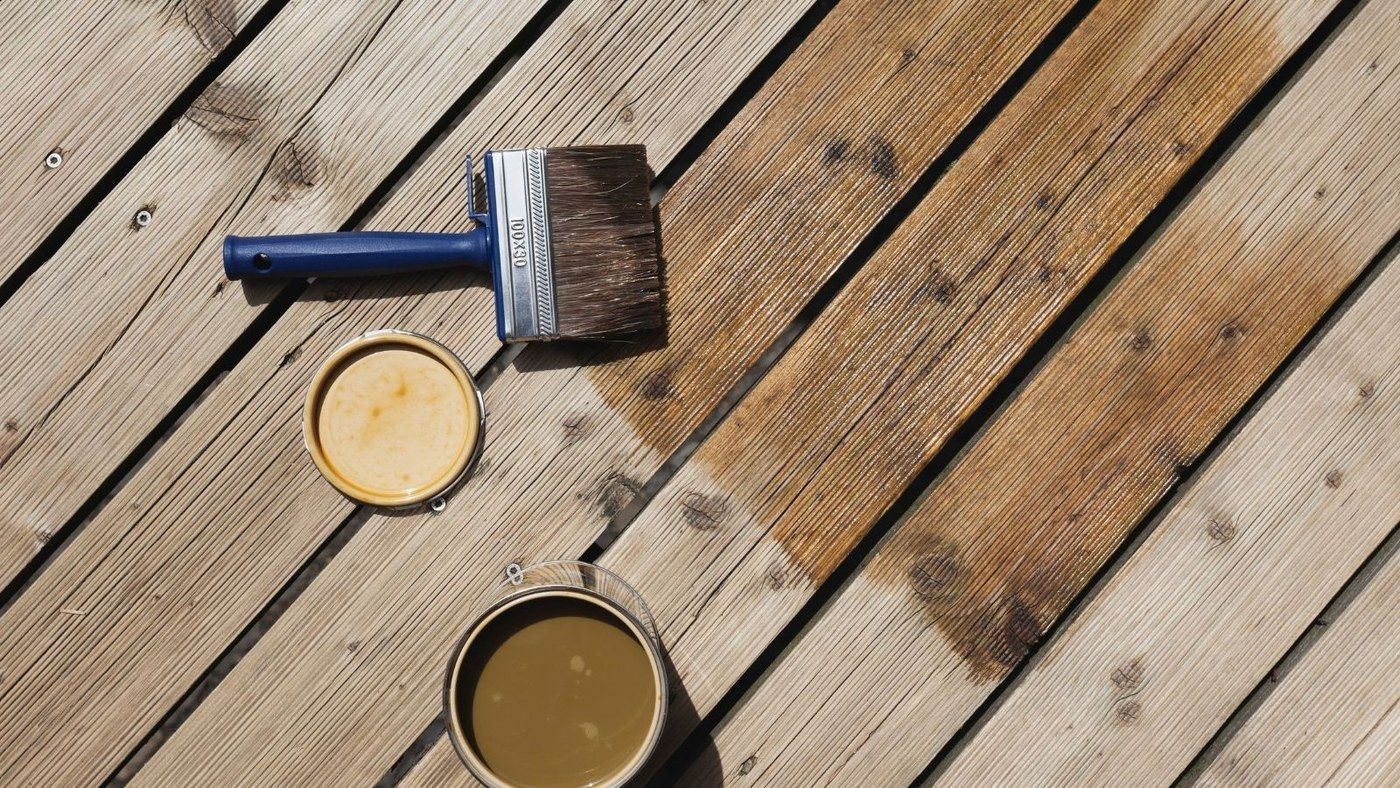 Wood Surfaces
Uneven absorption and remaining coatings can create a patchy result.
READ MORE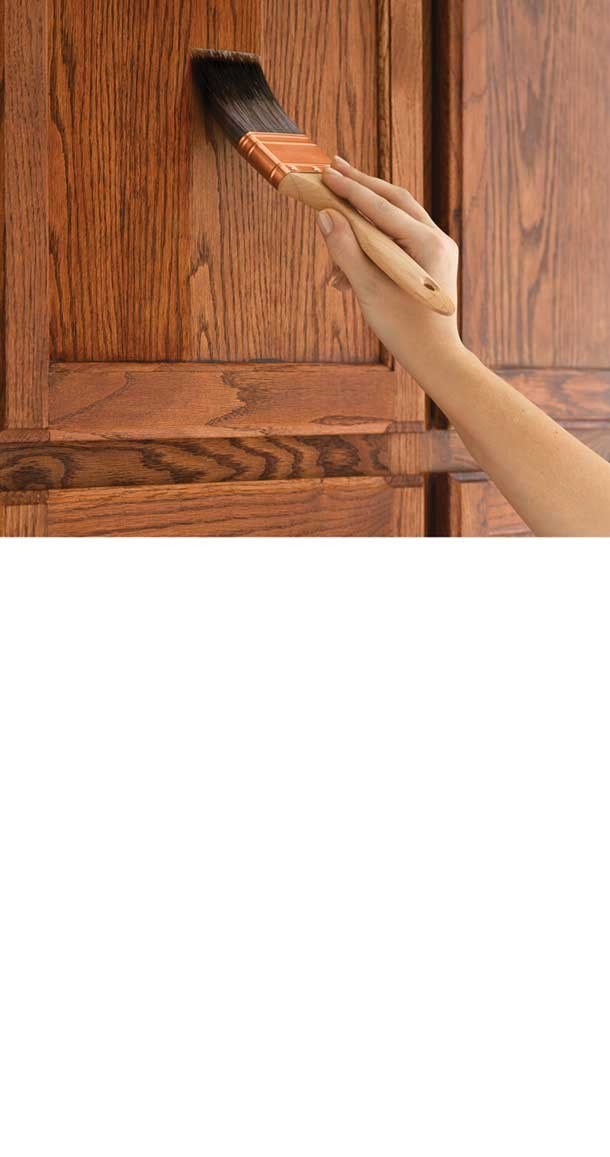 Wood Surfaces
Thick application can increase unevenness, drying time, and trapped dust.
READ MORE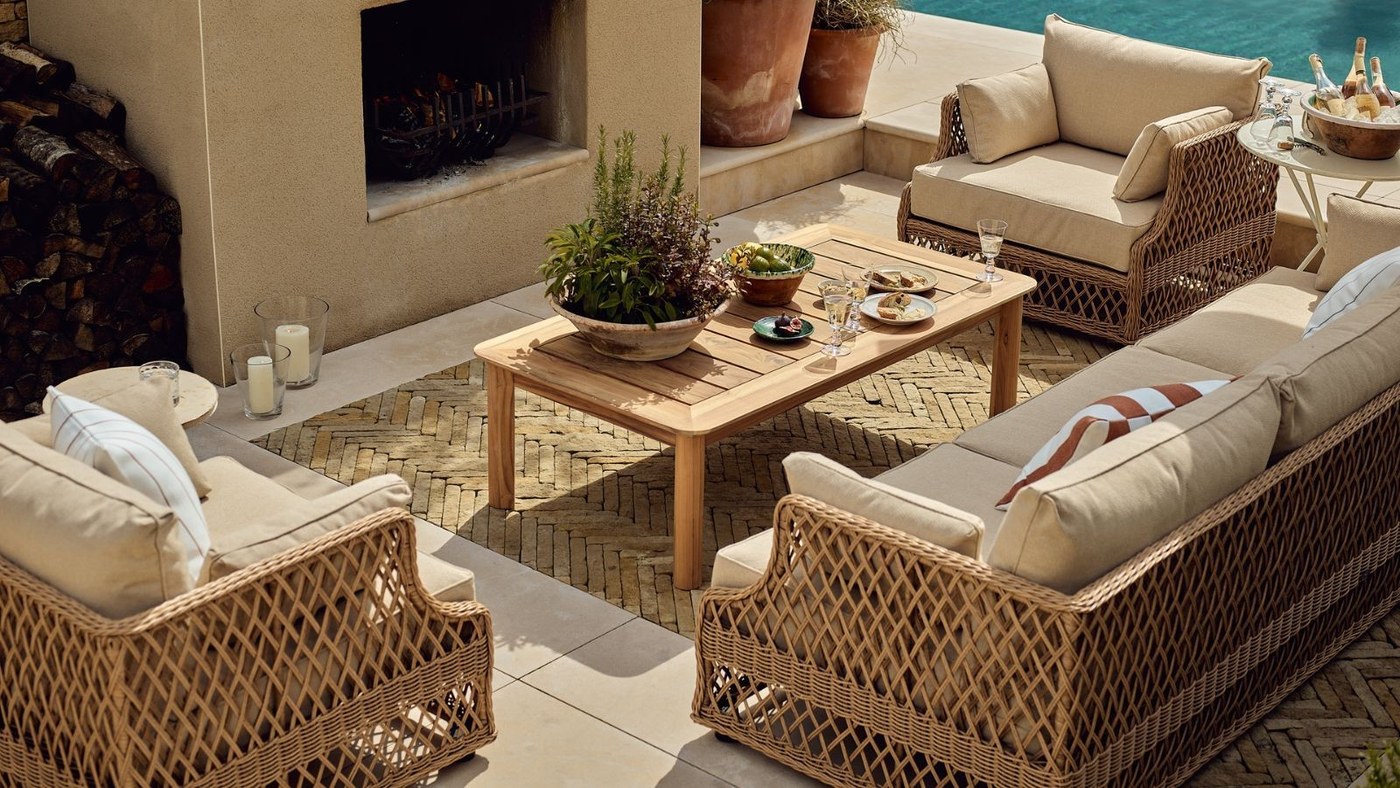 Wood Surfaces
A gentle sequence protects finishes better than beginning with strong chemicals or forceful scrubbing.
READ MORE
