A Clinging Paste Changes How Shower Glass Is Cleaned
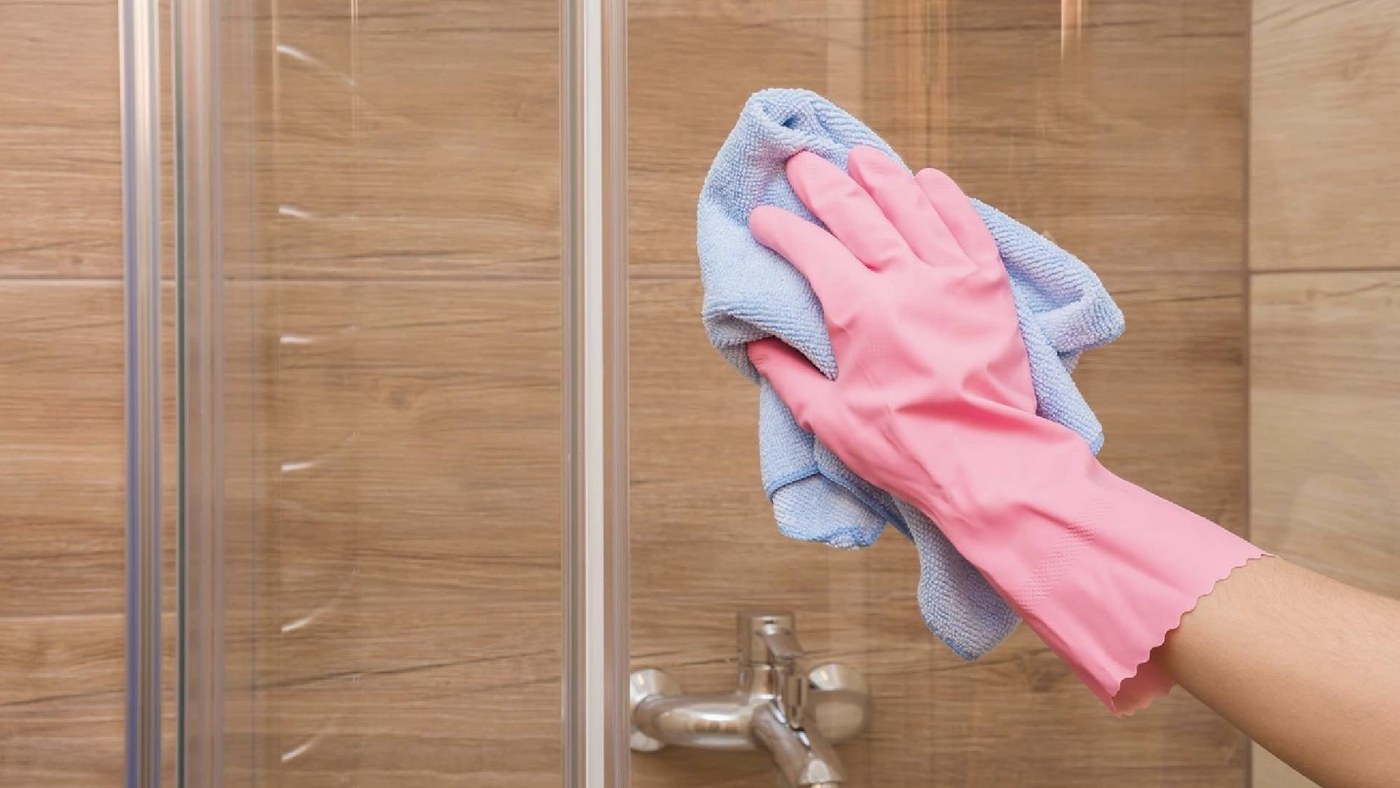
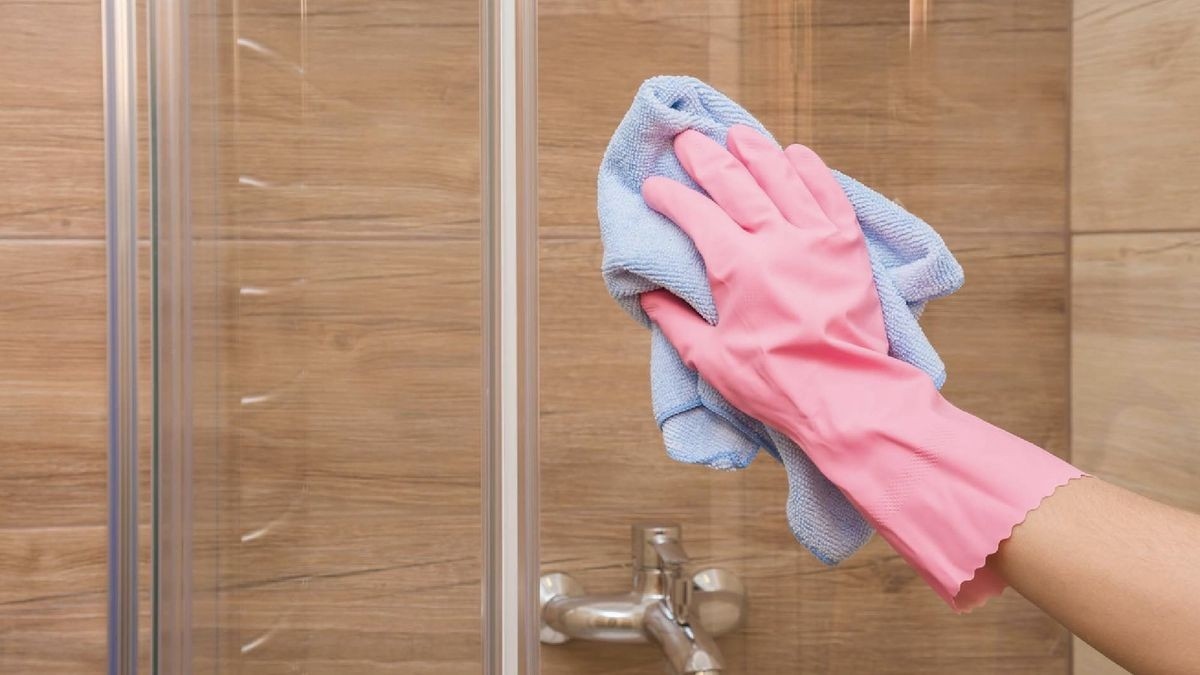
A Tom's Guide experiment uses a thick baking-soda and dish-soap mixture to stay on vertical glass rather than immediately running down it.
The reported advantage is placement
The writer describes mixing a spreadable paste, applying it with a damp cloth or sponge and allowing a short contact period before removal. The dish soap targets the oily film associated with soap scum, while the powder adds abrasion. The account reports clearer glass, but it does not establish that an abrasive paste is suitable for every coated shower door.
Remove the powder completely
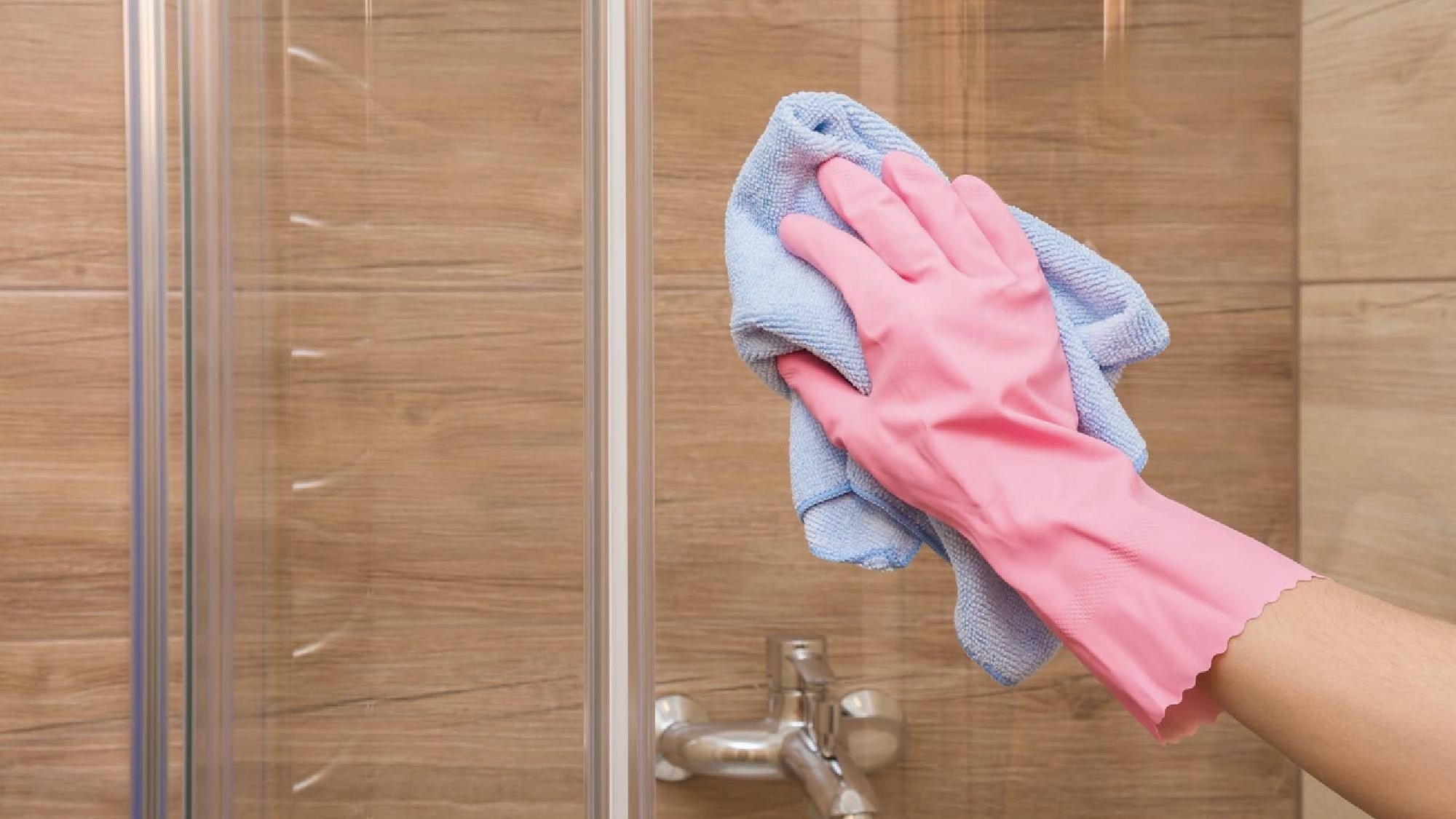
The source cautions against letting the paste dry hard and emphasizes thorough rinsing because leftover baking soda can create its own pale film. A squeegee or dry microfiber cloth completes the process. Before copying the trial, check the door's care instructions and use only approved non-scratching tools. Stronger rubbing and household ingredients are not automatic improvements over the cleaner recommended for a particular protective finish.
A Tom's Guide experiment uses a thick baking-soda and dish-soap mixture to stay on vertical glass rather than immediately running down it.


Leave a Comment
Comments (0)