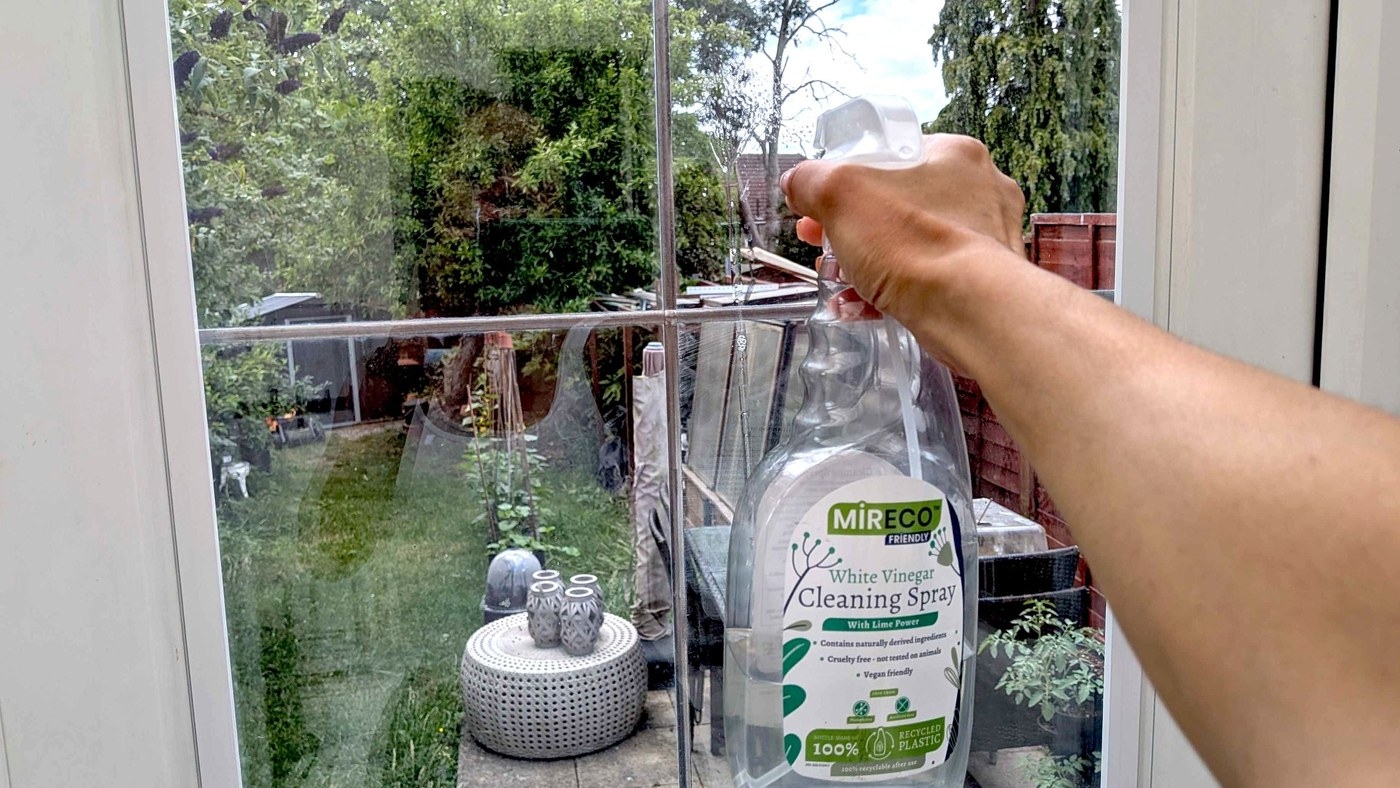
Dilute Vinegar Before Using It on Ordinary Glass
A Tom's Guide cleaning account highlights preparation, dilution and a separate dry buff as the steps behind a clearer reflective surface.
Remove loose dust first
The article begins by clearing cobwebs and dust from the surrounding frame with a soft cloth or vacuum attachment. Its mixture uses one part distilled white vinegar to ten parts warm water, rather than undiluted vinegar. The writer also notes that a small amount of washing-up liquid may help on heavily soiled glass, although additional soap means more residue to remove.
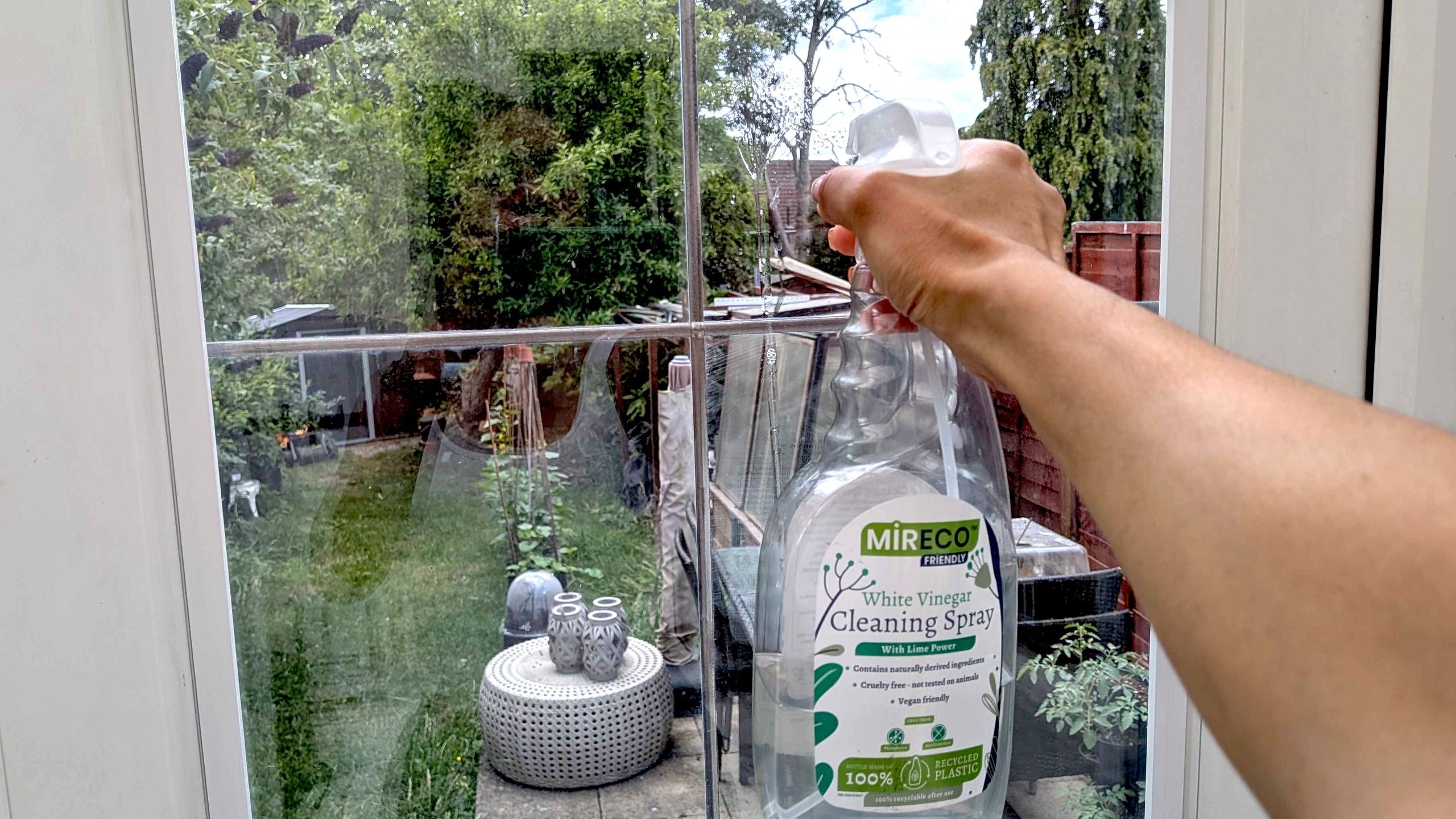
Finish with a dry cloth
After wiping away the marks, the reported method uses another dry microfiber cloth to polish the surface. The source describes the approach for windows and notes that it can also be used to refresh mirrors. Its warning to dilute vinegar matters because acidity can damage unsuitable materials. Check the mirror or glass manufacturer's care instructions before transferring an ordinary-glass method to a specialist coating or surrounding finish.
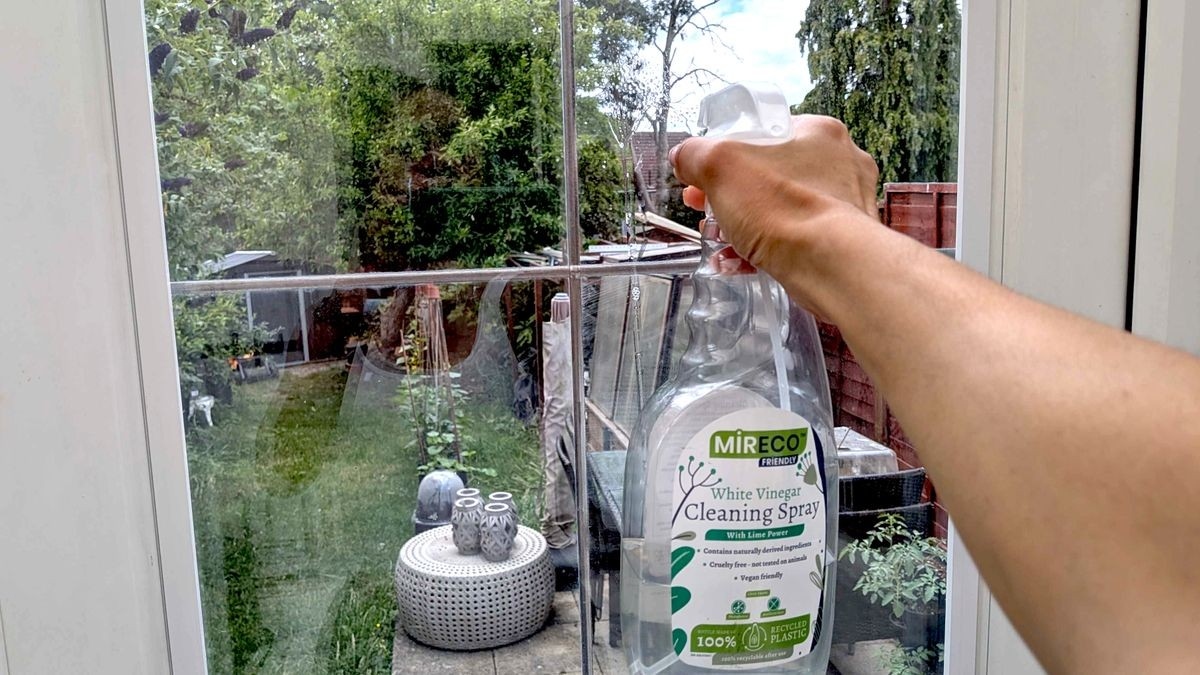
A Tom's Guide cleaning account highlights preparation, dilution and a separate dry buff as the steps behind a clearer reflective surface.


Leave a Comment
Comments (0)