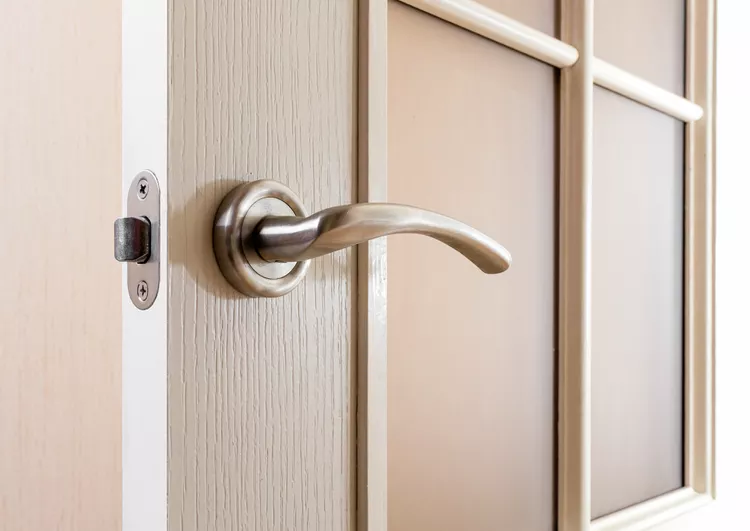
Nickel Finish Face-Off: Satin vs. Brushed for Your Home
When selecting metal fixtures for your home, the choice between satin and brushed nickel can subtly influence both aesthetics and practicality. While both finishes share a similar warm silver tone, they differ in texture, resilience, and upkeep, making each suited to different design preferences and usage demands.
Satin nickel presents a smooth, softly lustrous surface that resembles stainless steel, offering a refined look that complements modern interiors. Brushed nickel, by contrast, features a textured, matte finish created by a brushing process, which lends a more rustic or industrial character while still maintaining an elegant appeal. Both are commonly used for faucets, doorknobs, cabinet hardware, and lighting fixtures, but their distinct characteristics can affect how they perform and appear over time.
Durability and Maintenance Considerations
Brushed nickel tends to be more durable than satin nickel in everyday use. Its textured surface is better at concealing scratches and wear marks, making it a practical choice for high-touch areas like kitchen faucets or entry doorknobs. Satin nickel, while still resistant to corrosion and tarnishing, may show signs of use more quickly. However, the actual longevity of either finish depends heavily on the quality of the plating and the level of care it receives.
Maintenance routines also differ. Satin nickel's smooth surface is easier to clean, often requiring just a damp cloth to remove daily grime, with mild soap for tougher spots. Brushed nickel, although it hides fingerprints and water spots better, demands more effort to clean because its texture can trap dirt. For fixtures that are rarely touched, such as ceiling lights, durability differences matter less, but for frequently handled items, the choice could influence long-term satisfaction.
Cost and Finish Variations
Price is another factor, though the gap between the two is not large. Satin nickel typically costs more because its smooth finish requires a more involved manufacturing process, including chemical treatments. Brushed nickel is generally more affordable due to a simpler, less labor-intensive production method. For projects involving multiple fixtures, such as replacing all cabinet hardware or doorknobs, the cumulative savings from choosing brushed nickel could be noticeable.
Both finishes come in several variations that can further tailor their look. Satin nickel options include polished versions with a higher sheen, PVD (physical vapor deposition) coatings that offer enhanced corrosion resistance, and antique treatments that create a aged appearance. Brushed nickel similarly offers polished, matte, and antique variants, allowing homeowners to match specific design themes without switching base materials.
Making the Right Choice
Neither finish is universally superior; the decision ultimately hinges on your home's style and your practical priorities. For a modern aesthetic, satin nickel's smooth, subtle shine tends to blend seamlessly. If your decor leans rustic or industrial, brushed nickel's textured look may feel more at home. Cost differences are marginal unless you are outfitting many fixtures, and both finishes are relatively low-maintenance compared to materials like brass, which requires frequent polishing.
When deciding, consider the full range of available finishes and how they interact with your existing decor. Mixing metallic finishes intentionally can add sophistication, but consistency within a room often creates a cohesive look. Whether you prioritize ease of cleaning, scratch resistance, or budget, understanding these distinctions will help you choose a finish that meets both your aesthetic and functional needs.
Choosing between satin and brushed nickel for home fixtures involves more than color. This guide breaks down differences in appearance, durability, cost, and maintenance to help you decide which finish suits your style and practical needs.


Leave a Comment
Comments (0)